With the CLARITY Act stalled, key U.S. agencies are taking steps to accelerate cryptocurrency adoption, signaling potential industry shifts.

In the wake of the recent impasse surrounding the CLARITY Act, federal agencies like the Securities and Exchange Commission (SEC), Commodity Futures Trading Commission (CFTC), and the Federal Deposit Insurance Corporation (FDIC) are pursuing initiatives to enhance cryptocurrency market integration in the U.S.
SEC Initiatives for Tokenized Securities
On September 17, 2026, the SEC took a significant step by offering temporary, conditional exemptive relief to Tokenized Securities Venues (TSV), including high-profile companies like Robinhood Markets, Inc. (Nasdaq: HOOD) and Coinbase Global Inc. (NASDAQ: COIN). This exemption will remain in effect until September 17, 2031.
This exemption could be a necessary lifeline for many players in the cryptocurrency exchange ecosystem. By temporarily relieving these platforms from certain regulatory burdens, the SEC is signaling its commitment to fostering innovation in a sector that's often been clouded by uncertainty. The focus on TSV aligns with broader conversations about how traditional financial instruments can merge with blockchain technology, ultimately facilitating a more modern and liquid market.
“The division stands ready to work with interested parties seeking to operate a TSV and field questions from investors and market participants,” emphasized Jamie Selway, Director of the SEC Division of Trading and Markets, in a recent statement.
This move also reflects a troubling trend: while agencies like the SEC aim to streamline operations for a select few, many smaller firms continue to battle with the regulatory framework that remains somewhat fragmented. That's a reality the SEC needs to address more equitably if it wants to foster genuine growth across the board.
CFTC's Support for Developers
Meanwhile, the CFTC announced an indefinite no-action relief that protects developers of non-custodial software and wallet services from the need for traditional registration as introducing brokers or associated persons. This move allows tech developers to connect users to CFTC-regulated exchanges without having to manage customer funds or risk enforcement for non-registration.
However, this regulatory leniency comes with its own drawbacks. While it supports innovation by easing barriers for new entrants, it also raises questions about consumer protection. Developers, while relieved from certain obligations, might not have the same incentives to ensure the security of financial transactions that traditional entities face. This aspect is often glossed over, but it could become a concern if something goes wrong in the user experience. And this is the part most people overlook: as developers take advantage of fewer regulations, the onus increasingly shifts onto consumers to vet the security of these services themselves.
FDIC's Move to Level the Playing Field
The FDIC is also making strides by enabling state banks to compete with national banks on equal terms. By lifting restrictive out-of-state regulations, the FDIC will allow state-chartered banks to deploy digital asset tools across the nation based on their home state regulations.
This change could be transformative for state banks. Historically, national banks have had an upper hand due to greater resources and regulatory advantages. Lifting these restrictions could enhance competition and innovation within the banking sector, enabling state banks to offer services that include digital assets without cumbersome limitations. If you're working in this space, you likely see this as a positive development that could disrupt how digital finance is conducted in the U.S. and push traditional banks to reckon with emerging technologies.
Significance of Recent Actions
These regulatory actions could potentially pave the way for progress on the CLARITY Act, despite the uncertainties of future administration changes. Influential voices in the crypto community, such as Vlad Tenev, CEO of Robinhood, and Cynthia Lummis, Senator from Wyoming, have expressed optimism regarding these developments, seeing them as vital for expanding crypto engagement in America.
Yet, one has to question: how much of this optimism is founded on substantial change versus mere hope? The reluctance of regulatory bodies to create a clear framework for the entire cryptocurrency ecosystem continues to hinder broader participation. As of now, the total crypto market capitalization has risen by 2%, reaching around $2.63 trillion according to CoinMarketCap.
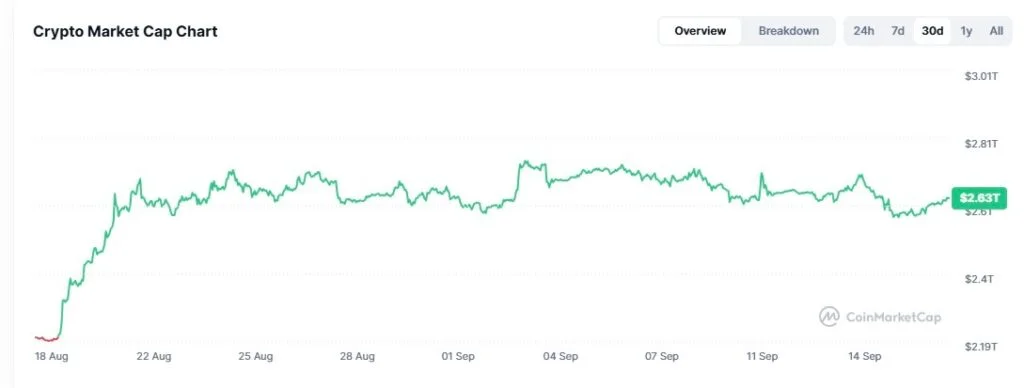
If these swift regulatory actions fuel widespread crypto adoption, particularly among institutional participants, the positive market momentum initiated recently could accelerate significantly. Still, the lingering question remains: can regulatory bodies adapt fast enough to keep pace with the rapidly changing technological landscape? If they can't, those optimistic market moves could be short-lived.
Featured image via Shutterstock


Discussion
Sign in to join the discussion.