The PlayStation 5 has seen a striking price increase of 30% since its launch, driven by inflation and rising hardware demand.

The PlayStation 5, introduced at a price of $499.99 in 2020, has experienced a significant price hike, now averaging around $649 as of September 2026. This shift in pricing is largely attributed to ongoing inflation and a surge in demand for critical hardware components due to advancements in artificial intelligence technology. As the gaming community grapples with these changes, it's worth examining the broader implications of escalating prices in the console market.
Understanding the Price Hike
The increase in the price of the PS5 isn’t just a random market fluctuation. It's shaped by tangible factors, particularly inflation and heightened demand for the components essential for gaming consoles. With inflation rates lingering, the purchasing power of consumers has shrunk. To put it into perspective, the U.S. Bureau of Labor Statistics indicates that prices have generally surged, which has had a cascading effect across all consumer products, including gaming consoles.
Moreover, the demand driven by advancements in artificial intelligence is a considerable force behind the scene. Companies investing heavily in AI technology have increased the demand for essential components, notably RAM, which gaming consoles also need. This competition for limited resources has made it exceedingly difficult for console manufacturers to meet consumer demand, leading to higher prices. If you're working in this space, understanding the interconnectedness of these industries becomes crucial as they can significantly impact pricing strategies.
The Digital-Only Version's Price Dynamics
The digital-only version of the PS5 also reflects this upward trend. Initially priced at $399.99, it now retails for $599. Prices vary slightly across retailers; for instance, Best Buy lists the PS5 for an additional $0.99 more than on the official PlayStation Direct site. This pattern raises intriguing questions about how the market sees value in digital distribution versus physical formats. In theory, digital copies should be cheaper, given that they don’t entail material costs or shipping fees. Yet, the reality paints a different picture, one of escalating prices that suggest a shift in the perceived value of gaming.
Global Pricing Trends
Across Europe, the situation mirrors that of North America. In the UK, for example, the disc version is priced at £569, which equates to approximately $759.59. Meanwhile, Germany's MediaMarkt lists it at €649.99, or around $744.99. The contrast in these figures compared to the initial pricing back in 2020, where UK purchasers faced an official rate of £449.99 (and €499.99 in the EU), illustrates that price increases aren't solely an American phenomenon. British consumers are facing a 26.45% hike, while Americans have seen a striking 30% increase in prices. This global perspective underscores how various economic pressures—currency fluctuations, local inflation rates, and regional market dynamics—play a critical role in console pricing.
Contrasting Trends: PS4 vs. PS5 Pricing
Historically, console prices have generally declined over time, contrary to the current trajectory of the PS5. The PlayStation 4, launched in 2013 at $399.99, saw its price drop by over $100 within six years. Though one might argue this was the norm for previous generations, the PS5's price increase is particularly striking, raising questions about market sustainability. Adjusting for inflation, the PS4's original price was approximately $559, but by 2019, it settled around $382. This downward trend gave consumers a sense of consistent value, making current pricing strategies seem counterintuitive.
In comparison, the PS5's price increase, when inflation is factored in, appears somewhat less alarming. The U.S. Bureau of Labor Statistics indicates that $499.99 in 2020 would be roughly equivalent to about $643.49 in 2026. This suggests that while prices are on the rise, they may not be entirely out of line with general economic trends. However, the notion that consoles would continue to appreciate in value raises eyebrows. This isn't just a number; it's consumer wallets being squeezed tighter.
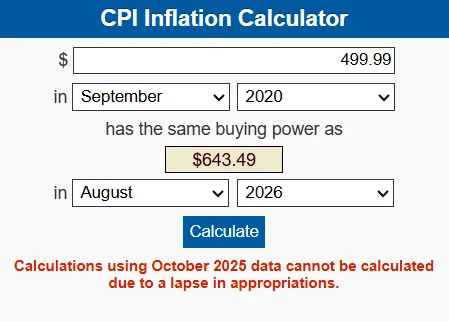
The increased demand for hardware, particularly RAM, driven by the AI sector, seems significant in the PS5’s pricing dynamics. The influx of purchasing by tech companies narrows availability for gaming consoles, pushing prices higher. A situation like this frequently raises questions about how consumers perceive value as demand shifts and supply dwindles.
Anticipation for Grand Theft Auto VI and Its Impact
Interestingly, the upcoming release of Grand Theft Auto VI on November 19 doesn't seem to correlate with the current increase in PS5 prices. Despite excitement around the title, the PS5 had already reached $650 by March 2026, prior to the game's announcement. The gaming community often sees console demand fluctuate based on upcoming blockbuster titles. However, in this instance, it seems that the excitement hasn't impacted pricing in a meaningful way.
That said, the secondary market might experience robust demand as GTA VI’s popularity could spur a scarcity of PS5 units, especially following reports of PlayStation 5 shortages in the UK due to heightened interest. This hiccup in the supply chain could fuel even more significant price increases or at least sustain the current elevated prices. (And this is the part most people overlook: how secondary markets often distort consumer experiences.)
Future Outlook: What’s Next for Console Pricing?
As price trends continue to rise, and with inflation showing little signs of easing, it's necessary to consider how this environment affects consumers long-term. Will gamers be willing to pay higher prices for consoles, or will there be a tipping point that drives them toward alternatives? The advent of cloud gaming could illustrate a shift in consumer preferences away from hardware ownership towards subscription models. Platforms that provide games without the need for high-end consoles may soon become appealing options for budget-conscious gamers.
In this scenario, the gaming industry's pricing strategies may be forced to reevaluate their approaches. Consumer loyalty could be tested as prices continue to climb. Ultimately, what this means for you as a consumer is a need for vigilance in assessing value—for both current investments in hardware and future decisions about gaming purchases. Given these trends, staying informed will be vital. The gaming market is shifting. Are you ready?
Featured image via Shutterstock
Discussion
Sign in to join the discussion.