Rodolfo Andragnes emphasizes Bitcoin's significance beyond investment, discussing self-custody, regulation, and its evolving role in Latin America.
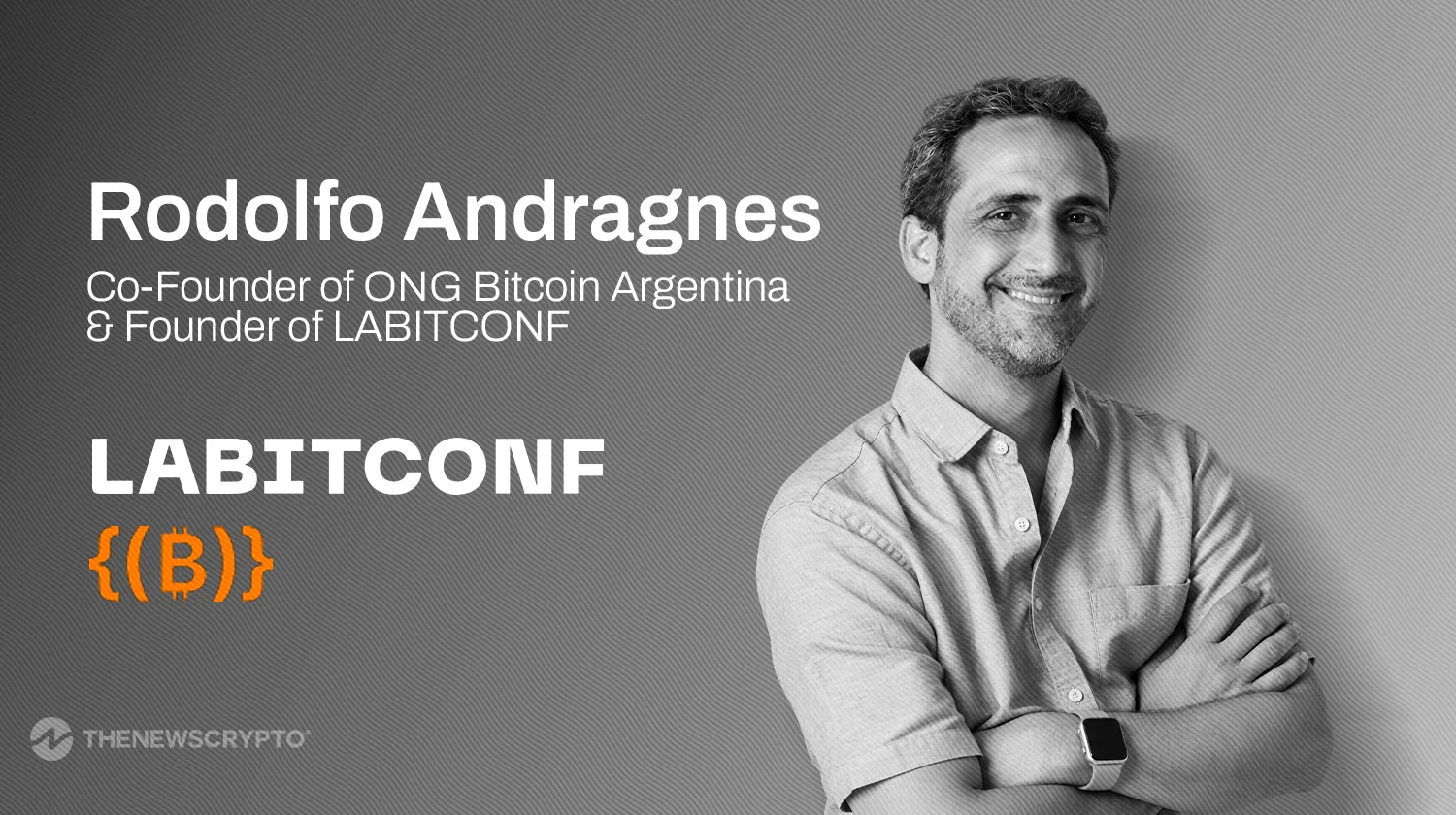
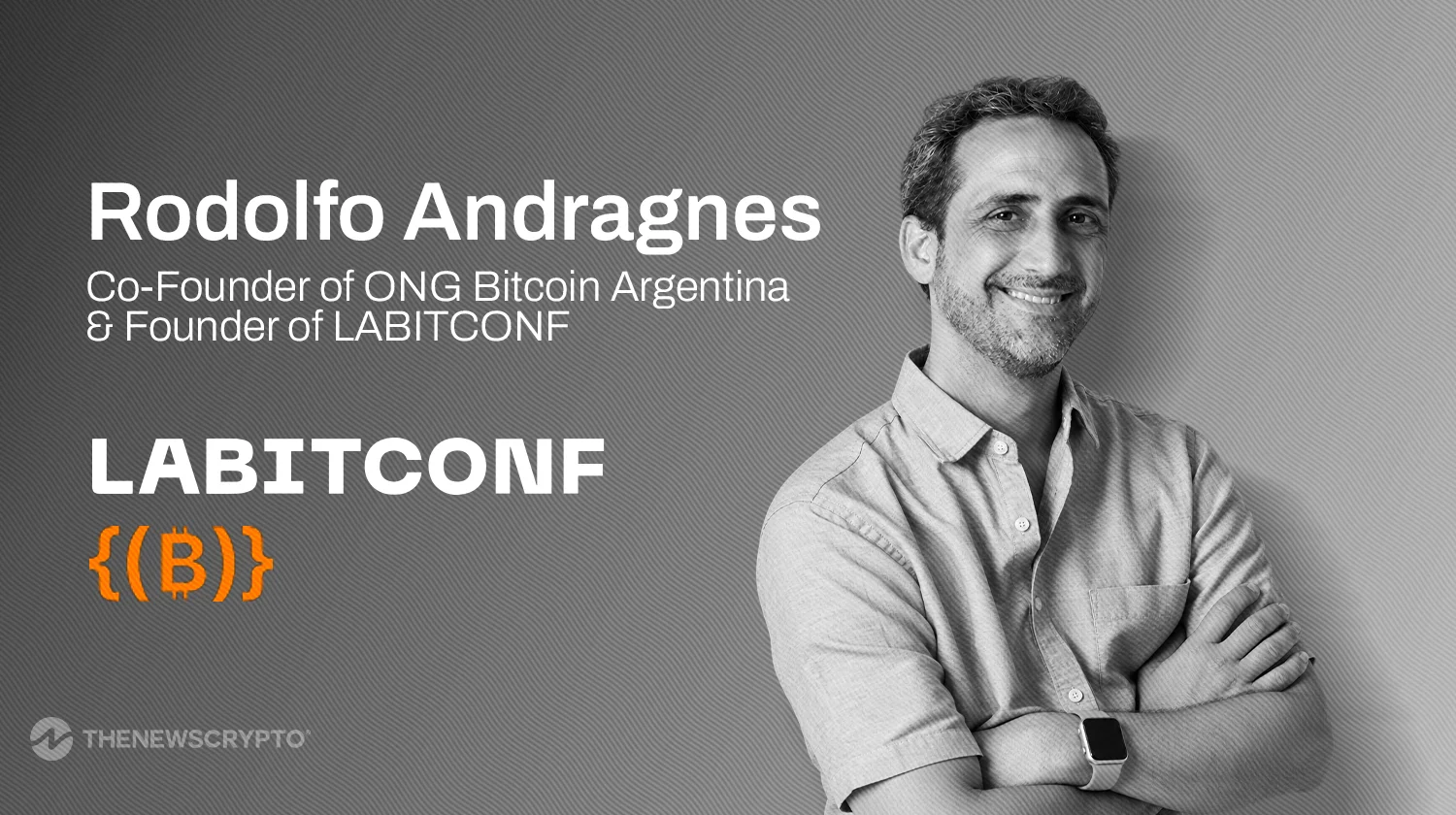
In an exclusive interview, Rodolfo Andragnes reflects on Bitcoin's evolution, the importance of self-custody, and the cryptocurrency's growing acceptance in financial systems.
With Bitcoin’s landscape evolving since Rodolfo Andragnes co-founded ONG Bitcoin Argentina and launched LABITCONF, it's worth examining how public perception of Bitcoin has transformed. Once an obscure concept, Bitcoin has transitioned into a mainstream asset class, attracting institutional players and ETF introductions. However, for Andragnes, Bitcoin presents a deeper narrative beyond mere financial speculation.
“I realized early on that Bitcoin reshapes our understanding of money and trust,” Andragnes recalls of his journey beginning in 2011. His belief reflects a newfound understanding of a system fraught with flaws. What began as a niche community has grown into a movement that advocates for financial independence. But misconceptions about Bitcoin as solely an investment persist. Andragnes asserts many still do not grasp its role in challenging traditional financial paradigms.
Institutional Participation: New Doors or Misguided Paths?
As institutional adoption surges, the paradigm around Bitcoin could shift. “Some may see ETFs as a gateway, but this doesn’t revoke the original intent of Bitcoin,” he points out. Access to the asset class has widened, yet Andragnes is concerned that traditional finance’s involvement might dilute Bitcoin’s foundational values. He emphasizes that while some individuals prefer indirect exposure through these financial vehicles, others must focus on direct, self-managed holdings to genuinely benefit from the technology's decentralization.
The Importance of Self-Custody
For Andragnes, self-custody remains paramount. “Why would anyone give away ownership to a third party?” he challenges. The principles underpinning Bitcoin — guaranteed scarcity and self-sovereignty — are central to its allure, and any compromise risks undermining the ethos that attracted early adopters. As traditional finance integrates with this digital currency, establishing a balance between accessibility and autonomy is vital.
Regulatory Misunderstandings
Regulatory discussions often miss the mark, Andragnes argues. “Policymakers confuse Bitcoin with other cryptocurrencies and blockchain technologies,” he notes. This misunderstanding can lead to erroneous regulations that don’t differentiate between fundamentally different digital assets. The push for regulation, he believes, could provide clarity for what cryptocurrencies can do but often hampers smaller projects due to stringent compliance requirements.
The ongoing debate surrounding regulations like the CLARITY Act could reshape the American crypto landscape. While its impact on Bitcoin may be negligible, broader regulatory frameworks could indirectly influence global markets, making America’s stance critical in forming regulatory pathways that encourage innovation while safeguarding users.
Stablecoins and Financial Privacy
Emerging in popularity alongside Bitcoin, stablecoins serve particular purposes in economies under distress, especially in Latin America. “They function as digital dollars but come with risks of authority control,” Andragnes explains. Bitcoin stands alone in its uniqueness as a decentralized, scarce asset, contrasting with stablecoins that tether value to fiat currencies. This distinction highlights Bitcoin's potential as a long-term store of value versus stablecoins' role in everyday transactions.
But along with convenience, stablecoins and Central Bank Digital Currencies (CBDCs) provoke concerns around government oversight. Andragnes worries about the potential for invasive tracking in financial transactions, contrasting this with Bitcoin's inherent privacy features that allow individuals to maintain anonymity unless they voluntarily disclose their identities.
Latin America's Diverse Crypto Landscape
When assessing regional crypto adoption, Andragnes emphasizes the disparities across Latin American countries. Factors such as trust in the financial sector, inflationary history, tax burdens, and international trade influence the degree of cryptocurrency acceptance. Each nation offers a unique blend of these elements, shaping how citizens view Bitcoin and other digital assets.
Andragnes' experience over the years has allowed him to witness the tangible connections formed at LABITCONF. “Meeting in person fosters partnerships and encourages richer conversations,” he states, highlighting the significance of face-to-face interactions in understanding complex topics. In a sector often consumed by digital dialogue, these relationships can lead to deeper explorations and collaboration.
The Future of Bitcoin
Looking ahead, Andragnes suggests that the acceptance of Bitcoin as a key asset class is more a function of societal evolution than technological advocacy. It’s about time and recognition of its fundamental benefits. Across the wider crypto sector, he sees an upward trend in adoption across various applications, pushing the boundaries of what digital currencies can achieve.
Disclaimer: This conversation reflects personal insights and opinions from Rodolfo Andragnes. Readers should pursue their own research and not consider this as financial advice.

Discussion
Sign in to join the discussion.