A dedicated email address can limit exposure when personal accounts are breached. Aliases, encryption and breach alerts add layers of protection for crypto users.
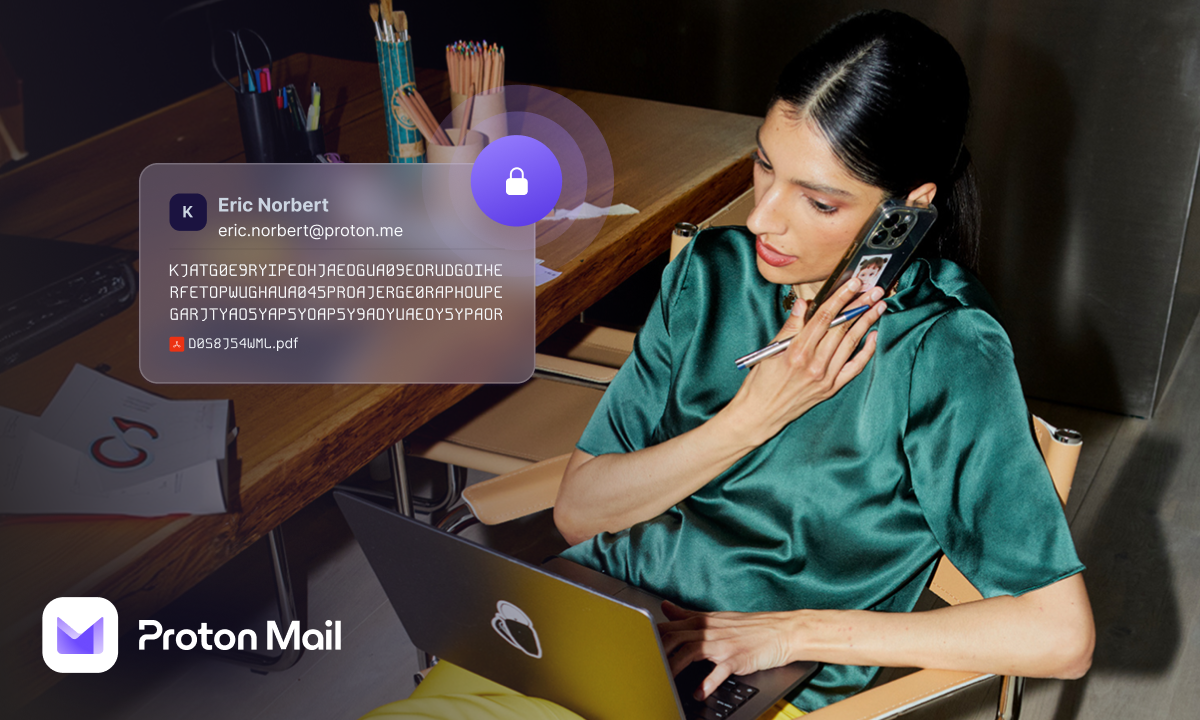
Email sits close to the center of crypto account security. It can be the route for password resets, withdrawal confirmations and alerts, which makes an address tied to an exchange or wallet a valuable target. My read is that investors should treat that inbox as part of their financial security setup and keep it distinct from the email they use for everyday services.
That separation can reduce the fallout if a company holding a personal email address suffers a breach. It also makes it harder for attackers to connect an exposed address with an investor’s financial accounts. A privacy focused provider such as Proton Mail offers features designed to support this approach, including aliases and encryption. Those tools can help, but they work best as part of a broader account security routine.
Why one inbox can create extra risk
Using the same address for personal accounts and crypto services creates a link between two parts of a user’s online life. If that address appears in a breach, attackers may use it to identify services the person uses, tailor convincing messages, or test stolen credentials against other accounts.
A recent example shows how widely email addresses can be exposed through services that users may not interact with directly. Arara Inc., a third party email delivery firm used by Japanese video game developer SEGA to manage and send newsletters, suffered a data leak involving nearly 2.2 million customer email addresses. An incident at a vendor can expose customer contact information even when the affected users did not give that vendor their details directly.
One likely follow up is targeted phishing. An attacker can send a message that appears to come from an exchange, wallet provider or project the recipient follows, then try to persuade them to open a malicious link or reveal sensitive information. A dedicated crypto address won’t prevent a convincing phishing attempt, but it can make the source and relevance of unexpected messages easier to assess.
Credential stuffing presents a different risk. Attackers take email and password combinations exposed in breaches and use automated tools to try them on other services. Reusing passwords makes this approach more effective. A unique email address for crypto accounts can add separation, but it does not replace unique passwords and other account protections.
Breached addresses can also be compared with public databases to build profiles of people’s habits and the services they use. Keeping a crypto address separate from an everyday address limits some of the connections an attacker can make from a single exposed data point. It won’t erase information already leaked, but it can reduce the overlap between personal activity and financial accounts.
Aliases keep the primary address out of view
Proton Mail’s hide my email aliases provide one way to keep a primary address private when registering with exchanges and other platforms. An alias acts as the address a service sees, while messages can still reach the user’s inbox. If a platform exposes its customer data, the alias can keep the underlying address out of that particular leak.
The service’s Mail Plus plan includes 10 aliases, while Proton Unlimited includes unlimited aliases. Using a distinct alias for each crypto platform can also make it easier to identify which service may be connected to unwanted messages. There is a limitation: messages delivered to aliases can still arrive in the same inbox, so aliases separate addresses without necessarily separating email workflows.
Custom email domains offer another way to create separate addresses. A user can make one address for personal use and another for crypto accounts under a domain they own, rather than using Proton Mail’s standard @proton.me or @protonmail.com domains. Custom domains are available on paid plans. This approach provides control over the address format, though the user still needs to keep the accounts and credentials secure.
What encryption covers
Proton Mail says its zero access encryption protects stored message contents so the provider cannot read them. It also offers end to end encryption for messages exchanged between Proton Mail users. Users can move email from providers such as Gmail and Outlook with the Easy Switch tool.
These protections have boundaries. The service’s subject lines are not end to end encrypted, and messages sent to people using other email providers may not receive the same end to end protection. Investors should also distinguish email privacy from exchange security: encryption for stored messages does not stop someone who gains control of an account from attempting a password reset or abusing an authenticated session.
Traditional services such as Gmail and Yahoo Mail generally do not provide end to end encryption by default. A separate privacy focused inbox can therefore reduce how much sensitive correspondence is exposed to the email provider, particularly for messages exchanged within the same encrypted service. The practical value depends on who is communicating and what protections apply to that message.
Breach alerts can help prompt a response
Proton’s Dark Web Monitoring, available on paid plans, checks whether email addresses linked to a user’s account have appeared in known data breaches. It can report exposed details associated with those addresses, including usernames, passwords and other personal information, and alert the user with recommended steps.
For someone who has already connected a personal address to crypto accounts, a breach alert may provide a useful prompt to review those accounts. A response could include changing exposed passwords and updating the email address registered with a crypto platform. The service can only report information it detects in known breaches; an alert system cannot guarantee that every exposure will be found or prevent an attacker from acting first.
What to weigh before switching
Proton Mail is part of Swiss based technology company Proton, founded in 2014 by Andy Yen, Jason Stockman and Wei Sun. The company also offers a VPN, cloud storage, a calendar, a digital wallet and a password manager. Proton Mail is available through web and mobile apps, and includes an integrated calendar and secure video conferencing. Proton Unlimited includes 500GB of storage and premium features across Mail, Drive, Pass and VPN.
For a crypto focused setup, the useful features are aliases, custom domains, message encryption and breach monitoring. The tradeoffs include more limited features on the free plan and the fact that subject lines are not end to end encrypted. Paid plans add features, but the core security principle does not depend on a particular provider: use a separate address for financial accounts, avoid password reuse, and pay attention to how each platform handles account recovery.
Some crypto services offer their own safeguards, such as anti phishing codes. Those measures can help users distinguish legitimate messages, but they cannot stop every attack that begins with an exposed email address or reused password. A dedicated inbox, unique credentials and careful handling of unexpected messages form a more useful combination. The key takeaway is simple: treat the email account attached to crypto as a sensitive account in its own right, and limit how widely its address circulates.


Discussion
Sign in to join the discussion.