Token burns linked to revenue generation provide a compelling narrative that could reshape crypto's economic landscape for traders.
In the world of cryptocurrency, traders have long been captivated by the allure of shrinking supply. This straightforward logic—fewer tokens available with steady demand can potentially drive up value—has kept the focus on mechanisms like token burns and buybacks. But as the market evolves, the narrative is shifting toward the underlying economics that sustain those burns, revealing deeper implications for potential value generation.
Take BNB Chain, for example. In July 2026, it completed a significant milestone with its 36th quarterly burn, removing over 1.6 million BNB tokens valued at around $932 million. Yet, the essence of a token burn transcends the act of reduction itself; the critical question is where the funding for these burns originates. Are they the byproduct of a thriving ecosystem, or mere acts of speculation?
Search data from Semrush shows that the term “token burn” garners about 40 searches per month in the U.S., indicating ongoing interest, albeit modest, in the mechanics of tokenomics. While the fascination with burning tokens persists, there's a higher-upside model emerging, one that actively ties burn activity to real business operations and revenues, thereby fueling a potentially sustainable cycle of demand.
The Economic Context of Token Burns
While the idea of burning tokens may sound bullish—after all, seeing the supply dwindle can encourage speculation—the mere act of destruction doesn't inherently create value. A project could theoretically eliminate a substantial portion of its tokens without improving its market relevance—scarcity does not automatically equate to desirability. Understanding the difference between tokenomics and broader economics is essential here. While tokenomics governs supply, it's the economic demand that truly matters.
BNB serves as an illustrative case. Its token is integrated within a dynamic ecosystem that legitimizes its utility—from transaction fees to governance. The Auto-Burn feature reduces total supply, but it exists alongside actual user engagement and demand for the asset. This context can be revealing for smaller projects looking to expand their reach. If they can establish demand before linking revenue to token buybacks and burns, they may create a more compelling narrative of speculative growth.
Revenue-Linked Token Burns: A New Mechanism
Imagine two projects operating under nearly identical circumstances. Project A enacts a regular quarter burn, irrespective of its user base. Meanwhile, Project B channels a portion of its customer-generated revenue to buy back and burn tokens. At first glance, results may appear similar, but the growth trajectory could differ dramatically.
If Project B scales from $100,000 in annual revenue to several million, the economic activity can further sustain the token burn mechanism, compelling speculative investors to reconsider the asset’s potential. Suddenly, they're not just banking on a decreasing supply; they're evaluating how revenue generation can drive consistent buy-side pressure while keeping the supply in check. This interplay highlights a more strategic investment approach.
Narratives that Resonate with Traders
Crypto traders are drawn to easily communicable concepts. Consider Bitcoin's finite supply, Ethereum's fee-burning model, and BNB's ongoing supply reduction program. These narratives are engaging because they are straightforward and rooted in basic economic principles.
When a project clearly articulates how supply interacts with demand, it simplifies the speculative thesis—crucial for presale or low-cap investors who face considerable risks in hopes of significant returns. Watching tangible indicators like increasing revenue, growing purchase activity, or expanded user engagement offers far more clarity than passively observing a countdown timer that indicates upcoming burns.
The Role of Wanted Network
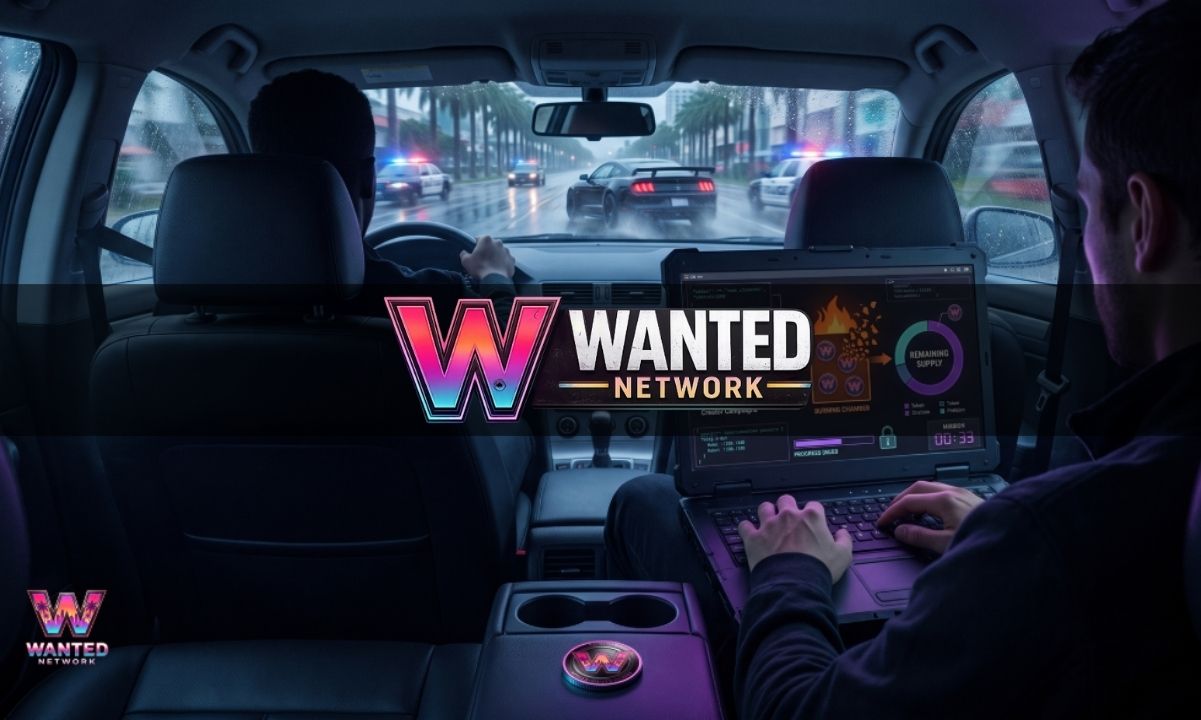
Wanted Network exemplifies the anticipated future of revenue-linked token burns. Its WNTD model integrates a mechanism that draws on creator activities as revenue-generating catalysts. Through structured campaign work, creators earn rewards while promoting their work, establishing demand for the WNTD token. Advertisers, acting as the network's commercial demand source, play a critical role in this model.
The design of Wanted Network's Sponsor Campaign Economy allocates a portion of advertiser revenue to finance WNTD purchases, followed by token burns. The operational sequence is essential: advertiser demand leads to campaign revenues, which then funnels into token buying and subsequent burning. If advertiser interest remains subdued, the burn process will reflect that limitation; conversely, escalated campaign engagement can enhance the economic mechanics of the token.
The Importance of Who Funds the Burn
Token burns will always hold a place in crypto culture due to their visual and measurable nature. A transaction that routes tokens to an unreturnable place is a clear-cut indicator of reduced supply. However, the market is becoming more discerning, now probing deeper than just “How many tokens will be burned?”—the pressing inquiry is “Where does the funding for those burns come from?”
Burns backed by authentic economic activities, such as transaction fees or advertiser spending, convey a vastly different economic narrative than those solely designed for minimal headline attraction. For traders seeking high-upside opportunities, this distinction could be significant. The aim remains to enter early on promising systems and ride the wave of growth, but it’s the considered connection between growth and enhanced burn mechanisms that captures greater intrigue.
For further exploration of Wanted Network, check out their website, or join the conversation on their Discord or X platform.
Disclaimer: The above article is sponsored content; it is written by a third party. CryptoPotato doesn’t endorse or assume responsibility for the content, advertising, products, quality, accuracy, or other materials on this page. Readers are strongly advised to verify the information independently and carefully before engaging with any company or project mentioned and to do their own research. Investing in cryptocurrencies carries a risk of capital loss, and readers are also advised to consult a professional before making any decisions that may or may not be based on the above-sponsored content.
Readers are also advised to read CryptoPotato’s full disclaimer.
The post Understanding the Impact of Revenue-Linked Token Burns on Crypto Markets appeared first on CryptoPotato.
Discussion
Sign in to join the discussion.