Web3 gaming is shifting toward prioritizing engaging gameplay over token economics, fostering a more sustainable and player-focused experience.
Web3 gaming is undergoing a critical transformation, moving beyond token-centric models to focus on delivering enjoyable gameplay. While the promise of blockchain in gaming initially revolved around ownership and economic incentives, the sector is now facing increasing scrutiny regarding the actual fun factor of games.
Despite the challenges, the industry remains lively with thousands of gaming decentralized applications (dApps) active and new projects emerging across multiple blockchain platforms. Established companies, such as Animoca Brands, continue to spearhead significant gaming and digital ownership initiatives, although the easy profits of yesteryear seem to have faded.
A Shift from Token to Gameplay
The early wave of play-to-earn games relied heavily on novelty and economic engagement, attracting players with the allure of token rewards. However, this model quickly revealed its limitations. If player engagement hinges solely on the value of a token, it creates a precarious situation where any dip in the token's price can drive players away. Games that couldn't cultivate a loyal community based on gameplay are facing dire consequences as the market matures.
The current trend suggests a more sensible approach where the integrity of the game takes precedence. Successful Web3 games now recognize that captivating gameplay must come first, with blockchain technology enhancing features such as ownership and asset portability as secondary benefits. This change reflects a more pragmatic perspective compared to the more lofty claims from the past.
Integrating Blockchain into the Background
An emerging characteristic of successful Web3 titles is their ability to minimize friction related to blockchain technology. Players are increasingly finding themselves in familiar onboarding processes, utilizing regular browser logins and social accounts before ever needing to interact with a cryptocurrency wallet.
This marks a significant philosophical shift from earlier projects, which often emphasized the blockchain aspect as the core feature. The trend now leans towards treating blockchain as a supportive framework that enhances the gaming experience rather than serves as its primary selling point. If integrated correctly, blockchain can add value without hampering the overall enjoyment of the game.
Selectivity in the Market
The current digital gaming environment reveals a more discerning investment landscape. Recent reports indicate that while the number of gaming dApps remains substantial—over 2,300 reported by one August 2026 tracker—the influx of traditional venture capital has significantly slowed. In this more selective market, projects must demonstrate true engagement and retention rather than relying on the mere existence of a blockchain component.
Failure rates within Web3 gaming mirror those of traditional gaming; not every idea will succeed, and many will not retain player interest. However, unlike traditional studios that do not claim financial incentives as a solution, Web3 gaming is now being forced to confront the need for genuine community and gameplay quality.
Value of Digital Ownership
Even with these changes, the concept of digital ownership retains its appeal. Enormous virtual economies exist within games, where players value items like skins, collectibles, and vehicles. The important question for game developers is how to enhance these experiences through clear ownership, open trading, and user identities that can traverse different platforms.
Different genres may benefit from blockchain integration in varying ways. For instance, a competitive first-person shooter might have distinct requirements compared to a trading card game, necessitating careful consideration of how blockchain technology is applied within each context.
Potential Beyond the Game Token
In Web3 discussions, the economic activity around games frequently garners less attention than the games themselves. Activities led by streamers, content creators, and modders can form a vibrant ecosystem around a game, creating opportunities that may hold more significance than the in-game token systems.
As gaming communities evolve, the integration of blockchain can alleviate issues like fragmented payments, opaque reward systems, and irregular compensation for creators. By facilitating seamless cross-border payments and making reward flows clearer, blockchain has the potential to enrich the creator economy without necessitating that players buy into the system via NFTs.
Insights from Wanted Network
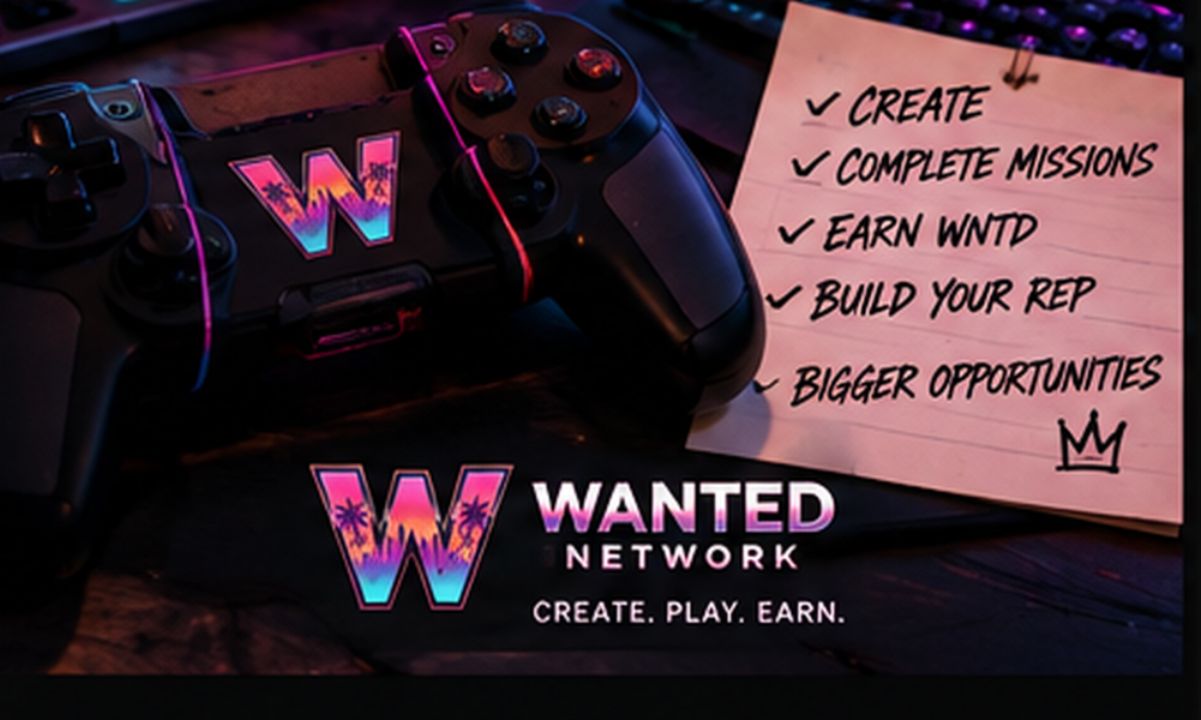
Wanted Network distinguishes itself by focusing on this external creator economy rather than transforming its core gameplay into a blockchain experience. Through its Missions system, it provides structured challenges for creators, establishing a framework that allows them to gain reputation and earn WNTD tokens through participation.
This model ties the token's value to a broader creator marketplace instead of attempting to make it indispensable for gaming. The initiative incorporates advertising efforts designed to bolster WNTD's utility while fostering genuine engagement within creator communities.
The Future of Web3 Gaming
Ultimately, the ideal version of blockchain gaming may not constantly highlight its technological underpinnings. Instead, it will resemble a well-crafted gaming experience enriched by advanced ownership options or more transparent reward systems. This evolution hints at a healthier phase for Web3 gaming, compelling developers to answer a pivotal question: would this game still be desirable without its associated token?
For projects that can confidently affirm this, blockchain's role could shift from a potential distraction to a significant advantage in enhancing gameplay and community engagement.
Discussion
Sign in to join the discussion.