Avail Widgets simplify cross-chain asset management, enhancing user experience and integrating easily into apps for diverse crypto environments.
Streamlining User Experience Across Chains
In a complex blockchain ecosystem, users often grapple with assets spread across multiple chains. When deploying an application on a single blockchain, this fragmentation becomes a roadblock for user onboarding. If potential users stumble upon bridging challenges, they may abandon the platform altogether. This situation leads to lost opportunities for applications, particularly as competition intensifies. Avail Widgets aim to eliminate these hurdles by providing an integrated solution that allows users to interact with different chains without having to wrestle with technical intricacies.
The friction caused by the need to switch between different wallets and platforms can be disheartening. Users face various obstacles, from navigating multiple interfaces to dealing with the complexities of asset conversions, which can, at times, feel like a maze. With Avail Widgets stepping into the picture, the goal is to create a smooth transition, enabling users to focus on their activities rather than the underlying technology.
Understanding Avail Widgets
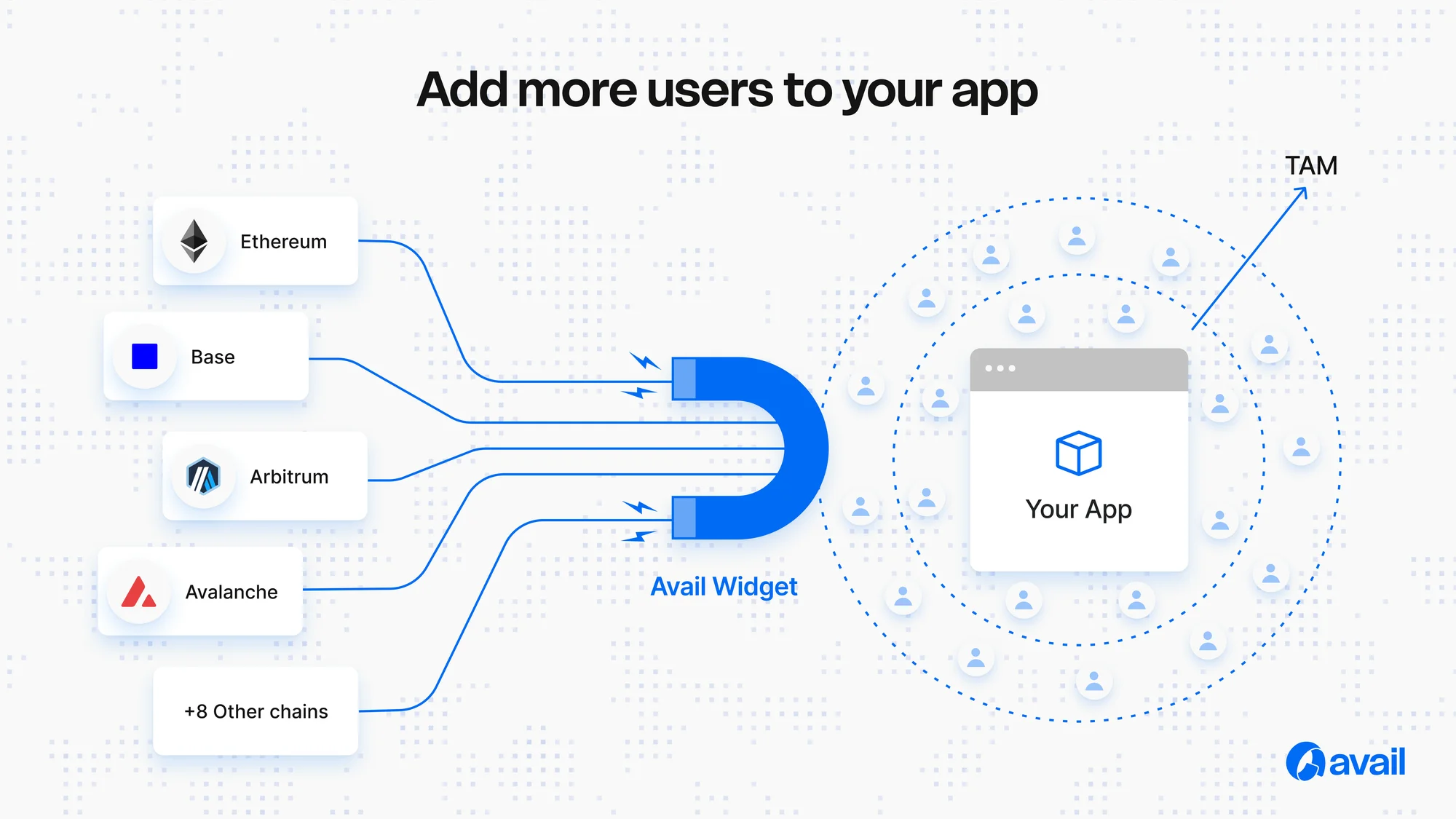
Avail Widgets are designed with one mission: to facilitate seamless movement of funds across various blockchains. These user interface components are built on the Avail Nexus framework, which employs an intent-based and solver-centric methodology to simplify cross-chain interactions within applications. This technology is critical, especially as the demand for interoperability increases within the blockchain sphere.
Currently, developers can leverage two key widgets:
- Deposit Widget: Users can deposit assets from any blockchain into the application with a single, cohesive transaction. For instance, a user with USDC on Arbitrum and ETH on Base, while your application operates on Avalanche, can deploy this widget. It ensures their funds transition to the correct form and location without requiring multiple steps or intermediary actions.
- FastBridge Widget: This feature allows users to transfer assets from various chains to a single destination, and transactions typically settle in seconds. Time is of the essence, especially in trading and finance, where quick decisions can have significant implications.
These tools are designed to manage asset routing, gas abstraction, and final delivery, thereby simplifying the user experience and making applications more accessible within the broader blockchain ecosystem.
Effortless Integration Process
Integrating Avail Widgets into your application is surprisingly straightforward. Using just a few lines of code, developers can embed these widgets, selecting specific chains and tokens to support while aligning the widget's appearance with their application's design language. This simplicity addresses one of the major pain points for many developers: time expenditure. When every hour counts, reducing integration complexity can lead to substantial time savings.
The widgets rely on Avail’s non-custodial framework, which processes transactions transparently on the blockchain. They enable a solver to manage assets on the destination chain, ensuring that the user's intent is fulfilled according to transaction data verified on Avail's Data Availability Network (DA). This level of transparency is important, particularly in a space where trust is paramount. Users want to know their transactions are being executed correctly and securely—after all, mistakes in fund transfers can be costly.
Target Audience for Avail Widgets
Avail Widgets target a diverse range of crypto applications, from DeFi platforms to lending services, perpetual exchanges, and prediction markets. For projects looking to extend operational capabilities beyond their native chain, these widgets present a compelling opportunity. The potential market for these integrations is vast, as most crypto applications are flirting with the idea of cross-chain compatibility. If you’re considering implementing this solution, an open dialogue about your needs could provide invaluable insights. So, feel free to get in touch.
Start Using Avail Widgets Today
Configuring and implementing Avail Widgets is streamlined, aiming to save development teams essential hours. Developers can kickstart the creation of their own widget by visiting the Configurator. This ease of use reflects a growing trend in the tech industry toward more intuitive solutions that prioritize user experience. With onboarding often cited as a significant hurdle for crypto applications, speeding up the process could make a considerable difference in user retention.
For additional information on Avail Widgets, check out our documentation.
Implications and Future Outlook
The introduction of Avail Widgets marks more than just a minor improvement; it could signal a shift in how developers approach cross-chain functionality. As more applications emerge, those without a cross-chain strategy may find themselves outpaced. With the rise of decentralized finance and the increasing familiarity of users with managing multiple assets across different platforms, providing a cohesive user experience could mean the difference between a thriving application and one that languishes.
And yet, while the benefits seem apparent, the challenges are manifold. Ongoing education regarding how these integrations work, user support during transitions, and the ability to manage decentralized risks must all be factored in. Should these challenges be met head-on, Avail Widgets might enhance user satisfaction, leading to heightened adoption rates across blockchain networks.
Discussion
Sign in to join the discussion.