Glamsterdam enhances Ethereum's infrastructure and liquidity options for institutional stakers, streamlining validator processes and exit mechanics.
Ethereum is gearing up for its next major upgrade, dubbed Glamsterdam, which promises to bolster the way institutional stakers manage their assets. Unlike previous iterations, this upgrade tackles both the architecture governing block construction and the efficiency of exiting substantial staked ETH positions, two critical areas for larger stakeholders. A closer look at the core Ethereum Improvement Proposals (EIPs) encapsulated within Glamsterdam reveals how these changes could significantly enhance the staker experience.
Understanding Glamsterdam
Glamsterdam is a comprehensive update characterized by improvements across the Consensus Layer (CL) and Execution Layer (EL). Officially documented in EIP-7773, this upgrade sets the stage for a series of protocol enhancements designed specifically with validators and institutional stakers in mind.
Key Ethereum Improvement Proposals (EIPs)
The proposals included in Glamsterdam focus on improving liquidity and operational efficiency for stakers. These are the pivotal changes:
- EIP-7732: Enshrined Proposer-Builder Separation - enhances how block construction is managed.
- EIP-8061: Increase exit and consolidation churn - optimizes the speed of exit processes for validators.
Additional updates span various facets of the Ethereum ecosystem, including network accessibility and adjustments to gas pricing, enhancing overall usability during peak demand.
When is Glamsterdam Going Live?
Testing for Glamsterdam has commenced, but an official date for its deployment on the mainnet remains elusive. Expectations suggest it could arrive by the fourth quarter of 2026; however, this timeline is tentative and subject to change.
What Institutional Stakers Should Anticipate
The high-impact EIPs of Glamsterdam predominantly affect how validators operate and interact with the Ethereum network. Of particular note, the updated proposals are:
EIP-7732: Onchain Proposer-Builder Separation - This enhancement formalizes the role of block builders within the Ethereum protocol, allowing validators to connect directly without the need for intermediary relays. This shift aims to improve trust through more competitive dynamics in block creation.
EIP-8061: Streamlined Exit Processes - Adjusting the exit churn limit from a static 256 ETH to an estimated 1,258 ETH, effectively reduces the backlog faced during high exit demand, which institutional stakers have experienced in the past.
The Significance of EIP-7732
The implementation of EIP-7732 will migrate complexities around block construction from offchain methods to an integrated onchain approach. The new system allows anyone meeting specific collateral requirements to engage as a builder, fostering a more active and competitive environment. Institutional stakers benefit from the prospect of reduced operational risks and increased access to potential rewards through enhanced builders.
The Importance of EIP-8061
By optimizing the exit queue process, EIP-8061 aims to mitigate the challenges institutional stakers face when liquidating positions. Previously lengthy wait times could mean substantial operational and opportunity costs, particularly in volatile market periods.
This adjustment not only accelerates the transaction of staked ETH but also scales with the increasing total amount of ETH staked, adapting to demands over time.
Enhancements to Gas Limits
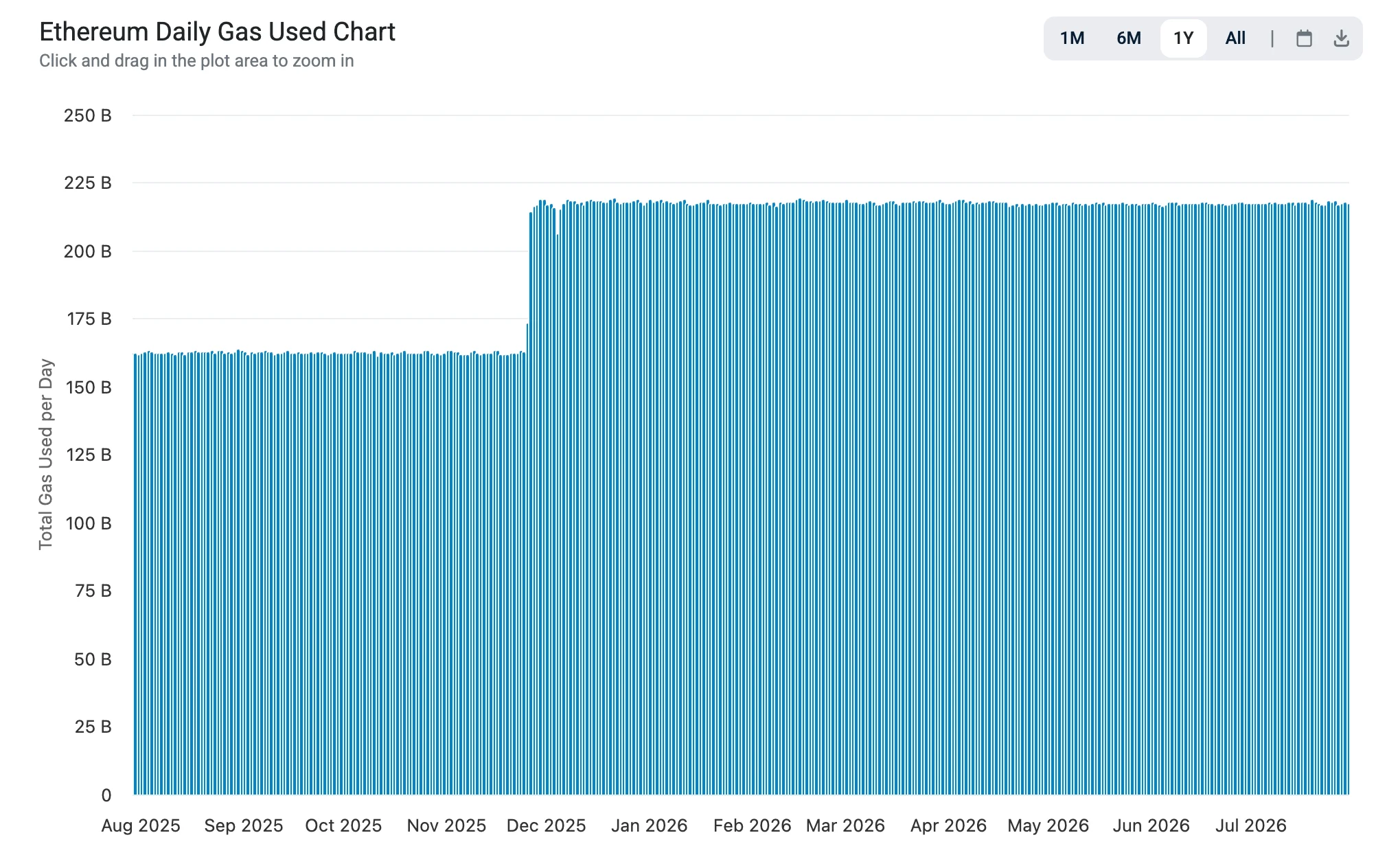
Glamsterdam also features a notable increase in gas capacity, raising the block gas limit from 60 million to a minimum of 200 million. This change, a direct outcome of Ethereum’s ongoing focus on expanding Layer 1 capacity, should facilitate a more responsive network environment.
However, it’s essential to recognize that while the increase enhances block space availability, the actual economic implications on gas fees remain uncertain. The interplay between additional available space and user demand will determine if this results in lower transaction costs or remains unchanged as the network scales.
Preparing for the Glamsterdam Upgrade
As Ethereum prepares for the Glamsterdam upgrade, institutional stakers can expect substantial improvements in both liquidity handling and validator operational processes. This yet-to-be-launched upgrade addresses earlier bottlenecks in exit queues, a critical enhancement for risk management concerning liquidity.
As the upgrade draws closer, it might be prudent for stakeholders to review their staking strategies in light of these forthcoming changes. For tailored insights, engaging with domain experts can provide clarification on how these modifications could influence your ETH staking activities. Until Glamsterdam goes live, many details remain speculative, warranting continued attention as developments unfold.
The information about the Glamsterdam upgrade offers a glimpse into Ethereum's future enhancements aimed at benefiting institution-level participants, marking a significant step in its evolution.
Discussion
Sign in to join the discussion.