Huddle01 is reshaping communication in the web3 space with its decentralized platform, leveraging Arbitrum for enhanced performance and scalability.
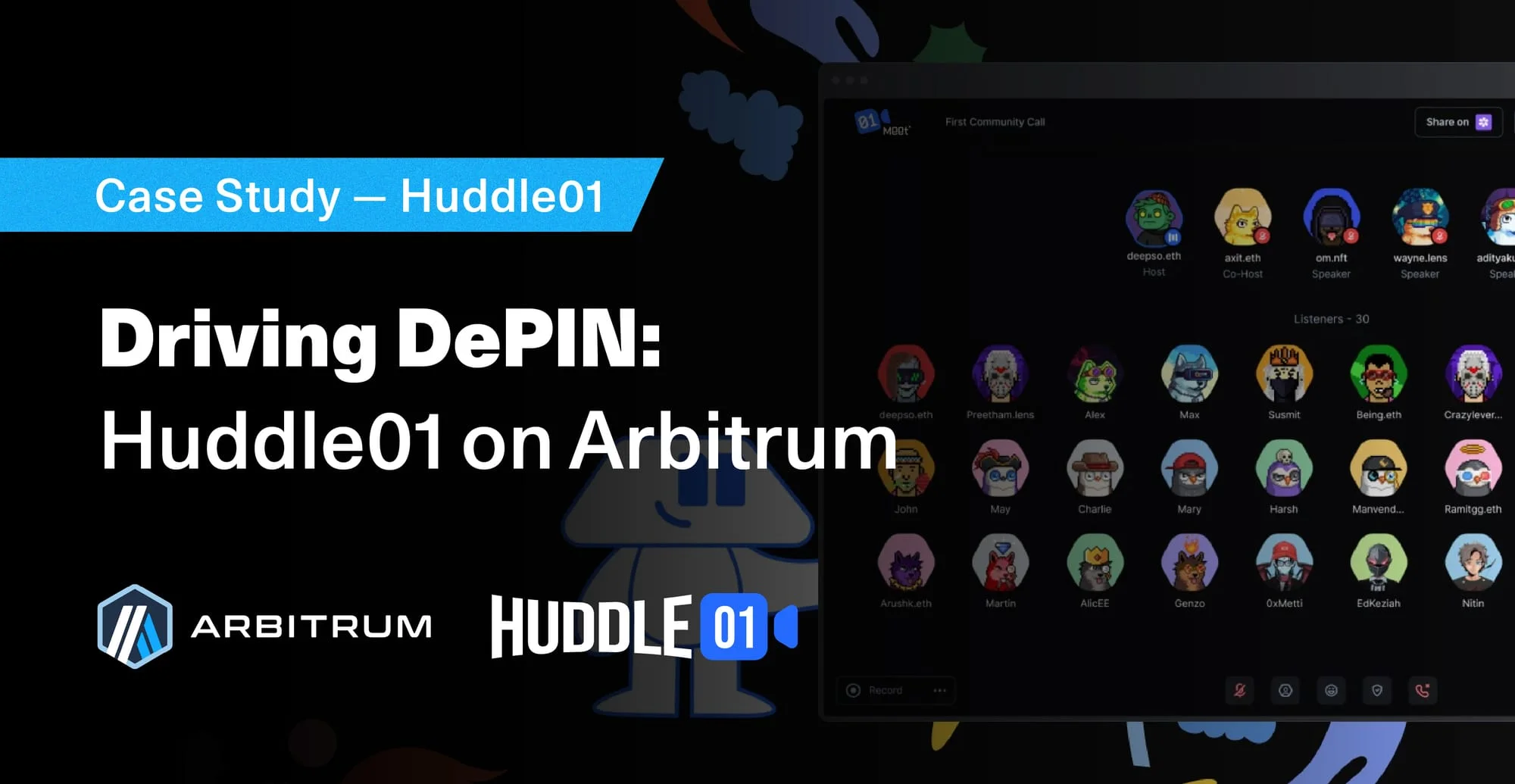
Huddle01: Redefining Communication in Web3
Huddle01 is making significant strides in establishing a new standard for decentralized communication. This platform is tailored for the web3 ecosystem, emphasizing user ownership and global accessibility. While many existing applications cater to users familiar with blockchain technology, Huddle01 identifies the need for frameworks that engage newcomers who may feel overwhelmed by the complexity often associated with such environments.
Rather than relying on conventional tools like Zoom or Google Meet, Huddle01 employs a decentralized architecture that allows for secure, peer-to-peer interactions, eliminating the dependence on centralized servers. This shift resonates especially well with communities that value transparency and trustlessness—a sentiment that has gained traction as data privacy concerns rise globally. How many of us trust the platforms we use daily? This is a question Huddle01 is attempting to answer.
The Foundations of Huddle01
Huddle01 operates as a Decentralized Physical Infrastructure Network (DePIN), which presents a compelling solution by enabling real-time audio and video communications across a distributed node infrastructure. This network spans crucial regions, including Europe, Asia, and both coasts of North America, ensuring that users from different locales can interact without significant delays or interruptions. Building connections on a global scale requires more than just technology—it demands resilience and reliability, and Huddle01 appears to deliver on these fronts.
Since its inception, the platform has gained impressive traction, hosting over 5.7 million minutes of meetings and serving more than 23,000 users via its native application, Huddle01 Meet. Such extensive usage not only demonstrates market interest but also highlights how effective this model can be; the need for decentralized communication tools is palpable. A recent proposal within the ArbitrumDAO even suggested adopting Huddle01 Meet as the organization's official meeting platform, underscoring its growing acceptance and indicative of its potential for wider integration.
What sets Huddle01 apart from mainstream platforms is its commitment to decentralization, performance optimization, and reduced latency. Meetings are conducted through a network of more than 2000 nodes, collectively supporting over 100,000 Mbps of bandwidth while distributing around 700,000 tHUDL tokens among node operators. There's a strong incentive model in place that rewards participation, which is a potential driver for maintaining a healthy user community.
Looking ahead, the second phase of its testnet is set to launch on April 10, 2025, where the infrastructure will undergo stress testing. This isn’t just a minor step; Huddle01 aims to broaden its use cases to include real-time gaming, finance, and AI applications, suggesting a roadmap that extends far beyond mere communication. If successful, it could greatly influence how decentralized applications function.
Why Arbitrum as the Backbone?
Ranjan, Huddle01's co-founder and CEO, emphasizes the strategic choice of building on Arbitrum's technology. The platform’s features, including low-latency transaction processing and minimal gas fees, align perfectly with the operational requirements of Huddle01. The benefits here are twofold: users get an efficient communication tool while developers can enjoy an environment conducive to innovation. Furthermore, the introduction of Stylus, Arbitrum’s WASM virtual machine, makes it easier to craft smart contracts in programming languages like Rust and C++, which is vital for creating latency-sensitive structures.
“Stylus equips us to craft efficient smart contracts using Rust and C++, which is essential for latency-sensitive structures,” Ranjan noted, emphasizing the scaling necessities in decentralized communication. This suggests a focus not just on technical capability but also on addressing user experience—a balancing act that often trips up newcomers in tech.
For developers in the DePIN sector, Arbitrum provides a welcoming environment to turn concepts into scalable solutions. Notably, the advantages of this ecosystem include:
- Modular Architecture: Developers can adapt components of their chain to fit specific project needs, allowing a more personalized approach to development.
- Performance Optimization: Arbitrum’s infrastructure ensures high throughput and quick finality while maintaining security, an aspect vital for sustaining user trust.
- Cost Efficiency: Low transaction fees enable developers to create sustainable systems without fear of prohibitive operational costs.
- Rich Ecosystem: As the largest Layer 2 solution, Arbitrum boasts a vibrant DeFi community, offering numerous integration opportunities that could enhance Huddle01’s functionality.
The attributes of Arbitrum empower Huddle01 to construct an effective communication layer tailored for web3 applications. There's undeniable synergy here; the outcome could be a template for future decentralized applications aiming for interoperability.
Future Perspective on Infrastructure
Huddle01 exemplifies the promising outcomes achievable when product-market fit meets decentralized infrastructure. By addressing a fundamental requirement within the web3 domain, Huddle01 illustrates the utility of its offerings, which are already garnering attention from leading DAOs. This isn’t just about communication tools anymore; it represents a shift in how we perceive and execute collaboration in a decentralized world.
In many ways, Huddle01's success could set a precedent for the kinds of applications that thrive in this space. The substantial growth facilitated by Arbitrum's technology positions Huddle01 as a pivotal player for future builders aiming for real-world adoption beyond just hype. Here’s the thing: what this all means for you, whether a developer or an end-user, is critically dependent on these emerging solutions. The communication norms of the decentralized landscape may very well be redefined, offering more than just functionality—providing a genuine sense of community, ownership, and trust that traditional platforms often lack.
As we pick up the pieces left by the wave of emerging technologies, anticipate the next steps Huddle01 takes. They could very well illuminate pathways for not just communication but the broader web3 ecosystem.


Discussion
Sign in to join the discussion.