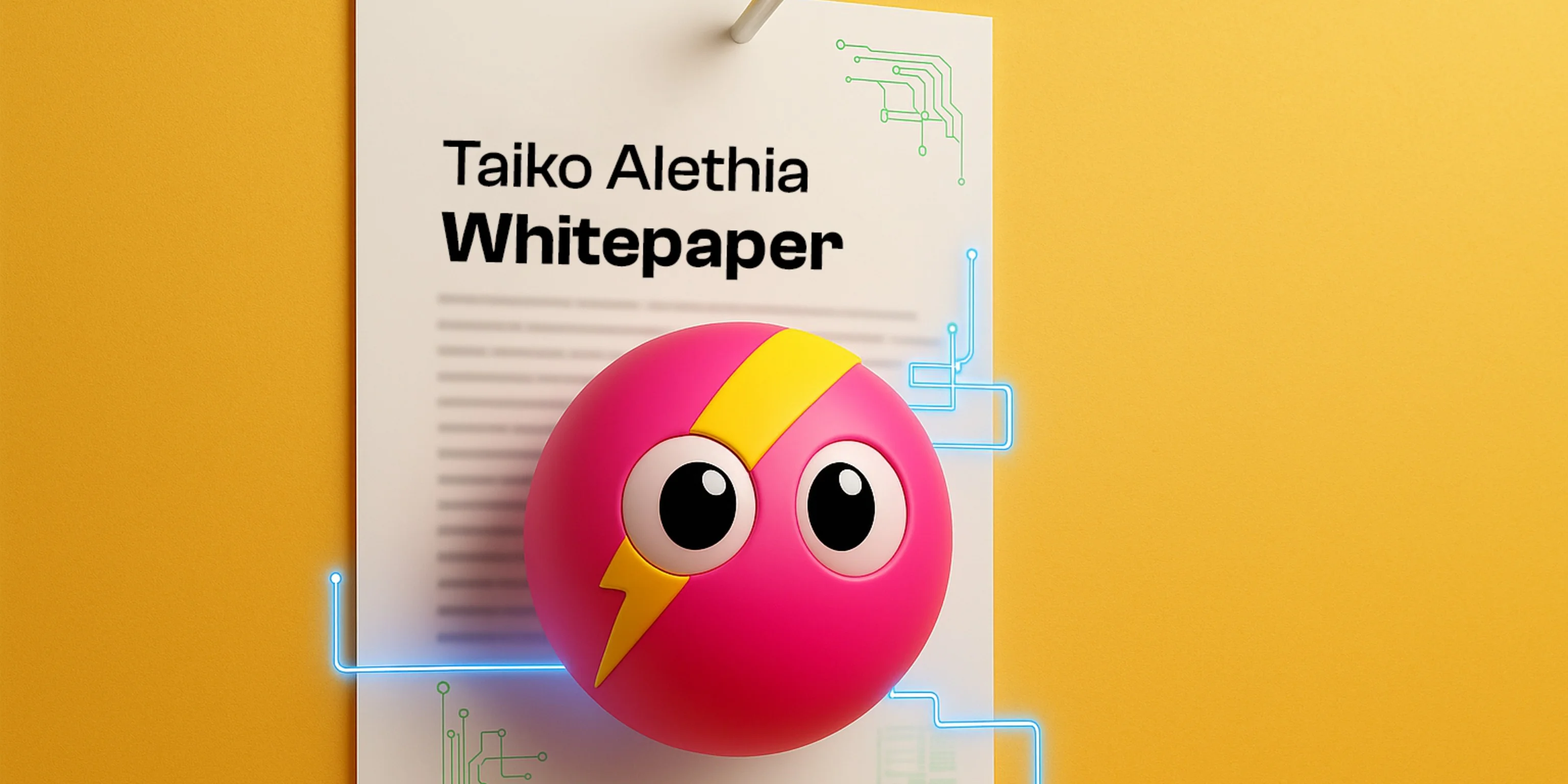
The latest Taiko whitepaper outlines advancements in decentralized rollups, emphasizing Ethereum's validators for transaction sequencing and cost-efficient batch proving.
Understanding Taiko’s Vision for Ethereum Scalability
The new Taiko whitepaper presents a detailed framework for enhancing Ethereum scalability through decentralized rollups. In an industry where many rollups depend on centralized sequencers, Taiko's approach redirects transaction ordering back to Ethereum's validators, inherently maintaining the network's censorship resistance. This shift could redefine how user trust is built in blockchain transactions. In an era where centralization often undermines the core principles of decentralized systems, Taiko's model seems like a vital breath of fresh air.
The Importance of Decentralized Sequencing
Decentralized Sequencing Matters
The reliance on a single entity for sequencing not only poses risks of failure but also fosters potential censorship. When rollups depend on centralized sequencers, the entire network becomes vulnerable to manipulation by that single point of control. By reverting sequencing to Ethereum’s validators, Taiko mitigates these vulnerabilities. This design choice enhances censorship resistance, aligning with the core ethos of the Ethereum blockchain.
If Ethereum functions properly, Taiko ensures the same service reliability. That's a significant proposition; it effectively means that any scalability solution encouraging reliance on central sequencing is inherently flawed. Rolling back responsibility to validators creates a profound sense of trust among users. That’s something we can't overlook—the ability to trust in the underlying structure of a system is what keeps users engaged and invested.
Innovations in Rollup Technology
Innovations in Rollup Technology
One standout feature of Taiko's architecture is its sub-second preconfirmation without relying on a centralized operator. In a landscape where speed is often sacrificed for security, Taiko's design strikes an impressive balance. The system begins with whitelisted operators, which provides a level of trust while gradually transitioning towards a model allowing any L1 validator to participate. This gradual evolution is set to increase decentralization.
Moreover, Taiko employs a batch-based proving system that enhances efficiency by allowing multiple blocks to be processed simultaneously. This results in smaller, quicker response blocks—a crucial factor for maintaining robust performance standards. The unique multiproving method that leverages ZK-SNARKs and SGX for added reliability allows for a more secure environment in which transactions are processed. It’s a sophisticated approach that not only speeds things up but could also address some long-standing criticisms about security and efficiency in existing rollup designs.
(and this is the part most people overlook) The technical specifications and innovations Taiko is introducing are not just academic exercises. They are designed to respond to specific deficiencies seen in current systems. By focusing on both scalability and decentralization, Taiko is paving the way for a more trustworthy blockchain ecosystem.
Diving Deeper into Protocols
The whitepaper delves deep into technical specifics, including protocols and architectures such as Ontake and Pacaya. This focus on protocol development showcases how serious Taiko is about defining a new standard for Ethereum-based scalability solutions. Unlike many projects that offer lofty promises without following through on technical specifics, Taiko's approach seems rooted in tangible goals.
Anticipated advancements in Shasta promise significant cost reductions, which could make using Ethereum more viable for everyday transactions. These advancements couldn't come at a better time; as Ethereum becomes increasingly popular, ensuring affordable transactions will help maintain user engagement and network growth. This is critical because if the costs of using the network rise too high, then it hampers widespread adoption.
Real-World Applications of Taiko's Rollup Implementation
Real-World Applications
Taiko's rollup implementation isn’t theoretical—it’s actively handling live transactions, demonstrating that Ethereum can be scaled successfully without compromising its foundational decentralization principles. This practical application of their technology gives them a clear edge over many other projects that remain stuck in the conceptual phase.
This could be a watershed moment for Ethereum. If you're working in this space, you know that effectively supporting thousands of transactions per second is essential for widespread adoption and usability. By validating its technology in the real world, Taiko empowers the Ethereum ecosystem with more options for achieving scalability.
For a thorough exploration, you can access the full whitepaper here.
The Implications and Future Outlook
Taiko represents more than just another entry in the crowded market of scalability solutions. If successful, it could shift how developers and users approach Ethereum and other blockchain technologies. By effectively combining decentralization with scalability, Taiko could serve as a model for future projects. The need for systems that are both efficient and resistant to censorship isn't likely to diminish any time soon.
As the ecosystem evolves, there's a pressing need for strategies that satisfy user demands while preserving the core values of decentralization. What this means for you, the reader, is that keeping an eye on Taiko's progress may be beneficial. Its ongoing developments offer a window into what the future of Ethereum—and indeed, blockchain scalability—might look like.
In summary, Taiko has the potential to align scalability with core decentralized principles, and if they succeed, the ramifications for Ethereum could be significant.
Discussion
Sign in to join the discussion.