Explore the concept of multi-source deposits in DeFi, focusing on user convenience and integration strategies for developers.
Understanding the Need
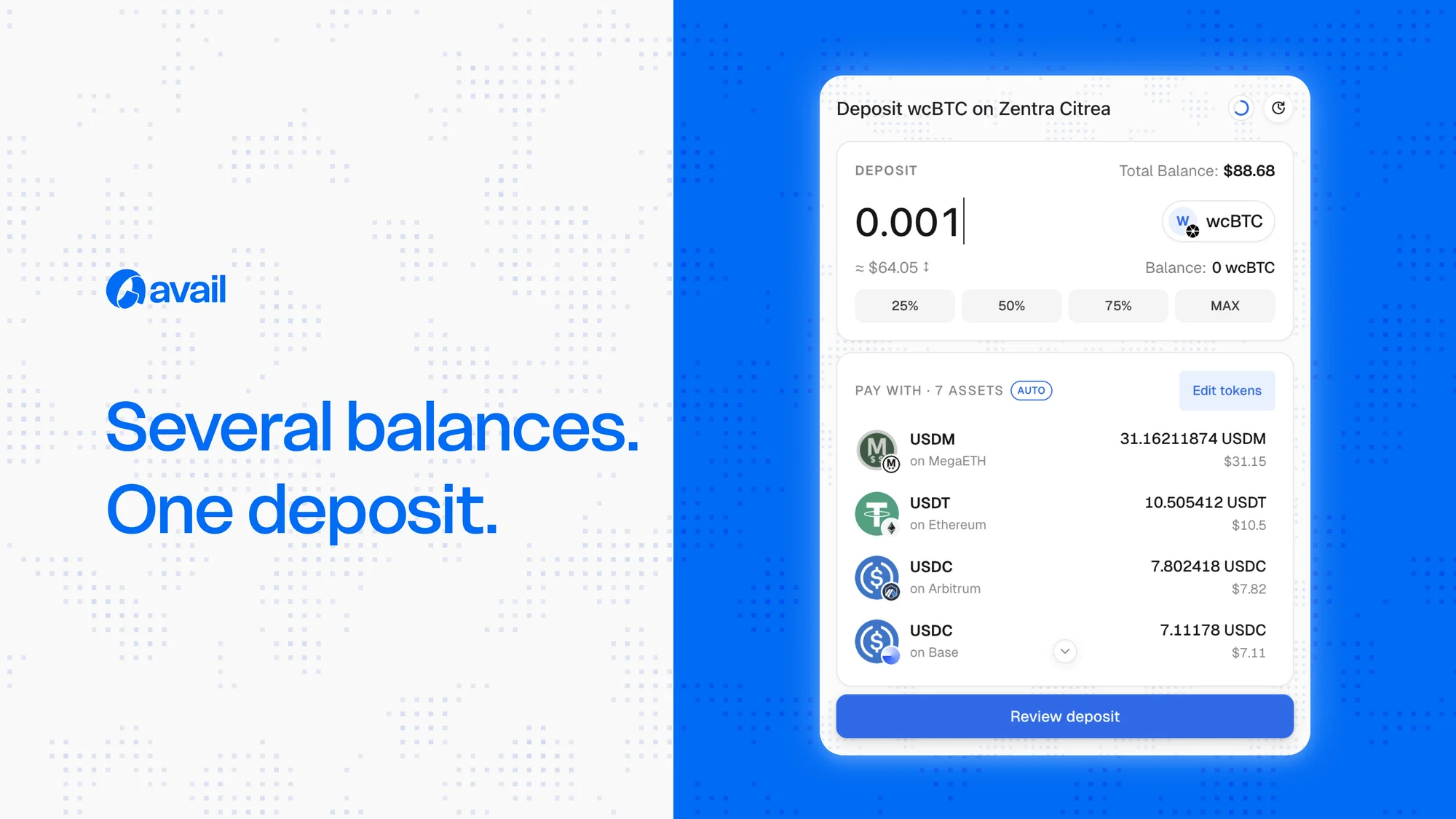
In decentralized finance (DeFi), users typically juggle multiple small balances across various networks. This segmented distribution can make it difficult for users to reach the total amount they need for specific transactions. Relying on a single-source flow is often not optimal; even when the user’s cumulative assets could cover their requirements, they won't be able to access it easily. This challenge highlights a significant pain point in DeFi, as many users end up missing opportunities due to liquidity constraints.
The issue isn't just conceptual; in practice, it translates into unnecessary complexity. Each time a user tries to consolidate these fragmented balances, they usually have to navigate a series of manual processes. From executing swaps between different assets to dealing with bridging challenges and gas fees, these hurdles can be tiresome and time-consuming. The friction in these transactions can lead to lost time and increased costs, exacerbating the already complicated user experience. As DeFi continues to grow, addressing these issues is vital for keeping user engagement high, making streamlined solutions essential.
How It Works
The application simplifies the consolidation process. First, it identifies the target asset for the user. Next, it retrieves eligible balances from which the user can select. This capability is crucial for making a network of choices rather than limiting transactions to a single source of funds. Once the user determines the sources, the application resolves quotes—a critical step in ensuring the user understands the costs associated with their chosen transactions. Finally, it coordinates the movement of assets toward procuring the desired target.
This streamlined approach vastly enhances user experience during the transaction flow. Rather than being bogged down by layers of complexity, users can focus on their primary goals: swapping or transferring assets without unnecessary obstacles. The design emphasizes efficiency and user-friendliness, which is increasingly necessary as more users enter the DeFi space.
Exact-In vs. Exact-Out
In managing transactions, the distinction between exact-in and exact-out methods is significant. The exact-in approach allows users to specify how much they want to spend from selected sources, giving them control over their expenditure. Conversely, the exact-out method is tailored to guarantee that a specific destination amount is received, regardless of the source amounts involved. Developers need to document expected behaviors per Widget mode and take routing considerations into account. This is where complexities can arise, as what works for one user scenario might not hold for another.
Understanding these nuances is essential for both developers and users. If you’re working in this space, you have to appreciate that not every transaction will unfold as expected. Proper documentation helps set realistic expectations and improves user confidence in using tools that can otherwise seem opaque.
Key Considerations for Developers
When building applications in this space, developers must prepare for various edge cases. Considerations like insufficient balances, expired quotes, or transaction failures are not just trivial; they can significantly affect the user experience. Providing a final view of the destination amount before users confirm transactions is critical—it minimizes the risk of costly mistakes that can lead to frustration. Moreover, displaying source asset details is essential, allowing users to double-check their inputs before executing transactions. Sounds simple, right? Yet, this is the kind of fundamental clarity many users appreciate.
Implementation Guidance
Refer to Avail Widgets documentation for detailed components, setup, and coding assistance. This guide not only focuses on crucial definitions but also links to an installation tutorial. This dual approach offers clarity on implementing multi-source deposits, which play a major role in enhancing user accessibility in DeFi. A well-structured guide can alleviate some of the burden on developers and ensure that they feel confident when bringing new tools to market.
Integrating Avail Deposits
Implications and Future Outlook
The challenges highlighted in the introduction are more significant than they might seem. As decentralized finance continues to gain traction, the demand for more efficient transaction processes will only grow. Users are becoming increasingly aware of how these friction points impact their experience. If developers heed these insights and adapt their systems accordingly, we may see a shift toward platforms that prioritize liquidity and user accessibility.
That said, the evolution of these applications isn't without its hurdles. Security concerns, regulatory scrutiny, and technological limitations can hinder progress. However, those who can navigate these waters effectively will not only capture a larger user base but also define the next wave of DeFi platforms. What this means for you is that staying aware of these developments will be crucial—there's potential here for significant growth, though it comes with its own set of complexities.


Discussion
Sign in to join the discussion.