Explore methods to support multiple blockchains while maintaining core functionalities, enhancing access and user experience.
Maximize Value on Your Preferred Chain
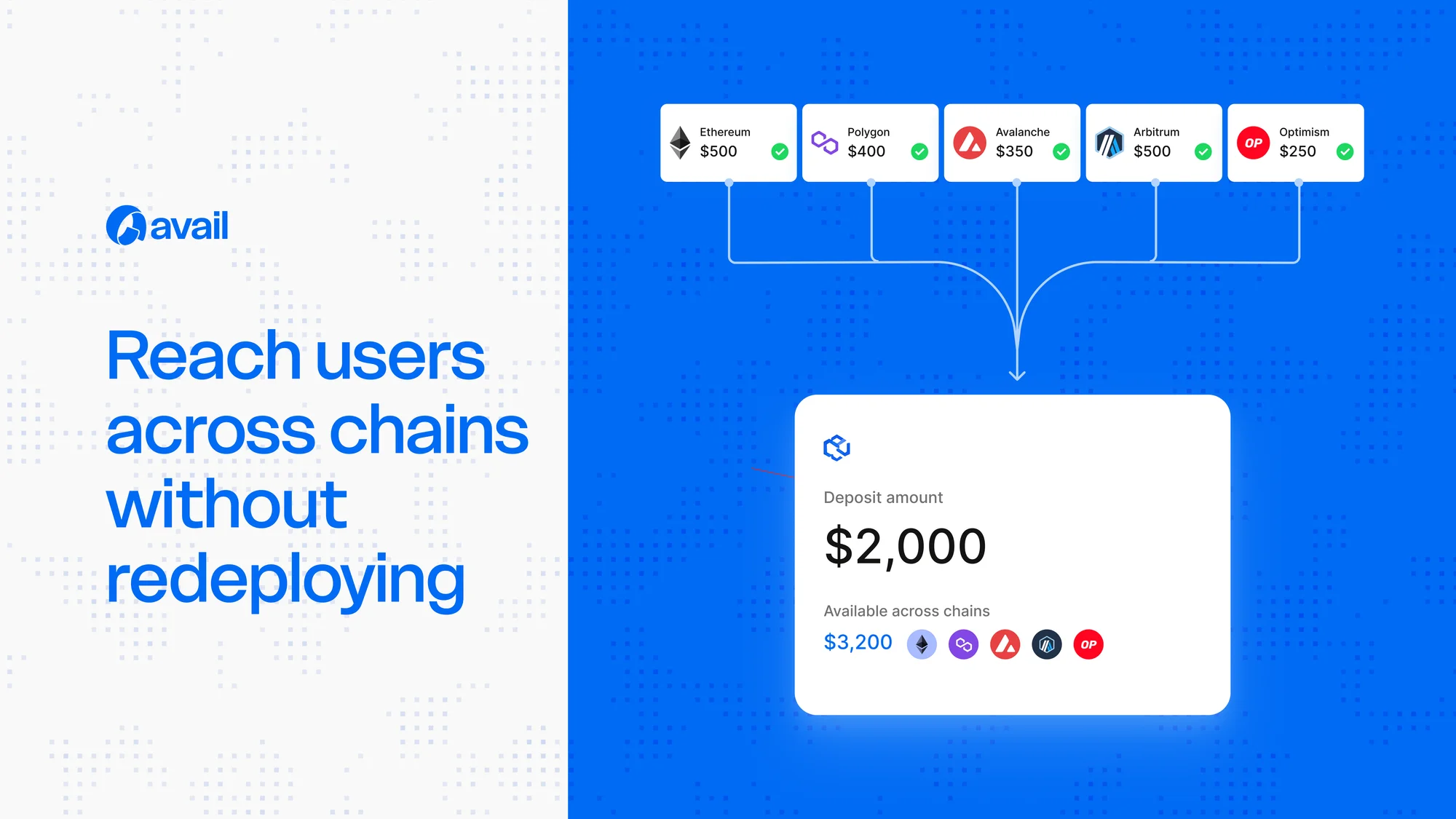
Applications can concentrate settlement, liquidity, and logical operations on their selected blockchain, while simultaneously providing pathways for funding from other supporting chains. This approach allows for maintaining a stable operational environment while broadening funding options for users, minimizing the friction often associated with multi-chain operations. More than just a technical choice, this strategy can significantly influence an application's user engagement and overall financial efficiency.
One of the challenges developers face today is fragmentation. Users often find it inconvenient to navigate between different blockchains, each with its own rules and requirements. By establishing a primary chain and selectively integrating support from others, developers can focus their resources more effectively. This model promotes a streamlined, hassle-free experience for end-users, essential in a competitive space where seamlessness in user experience can determine success.
Single Integration for Deposits
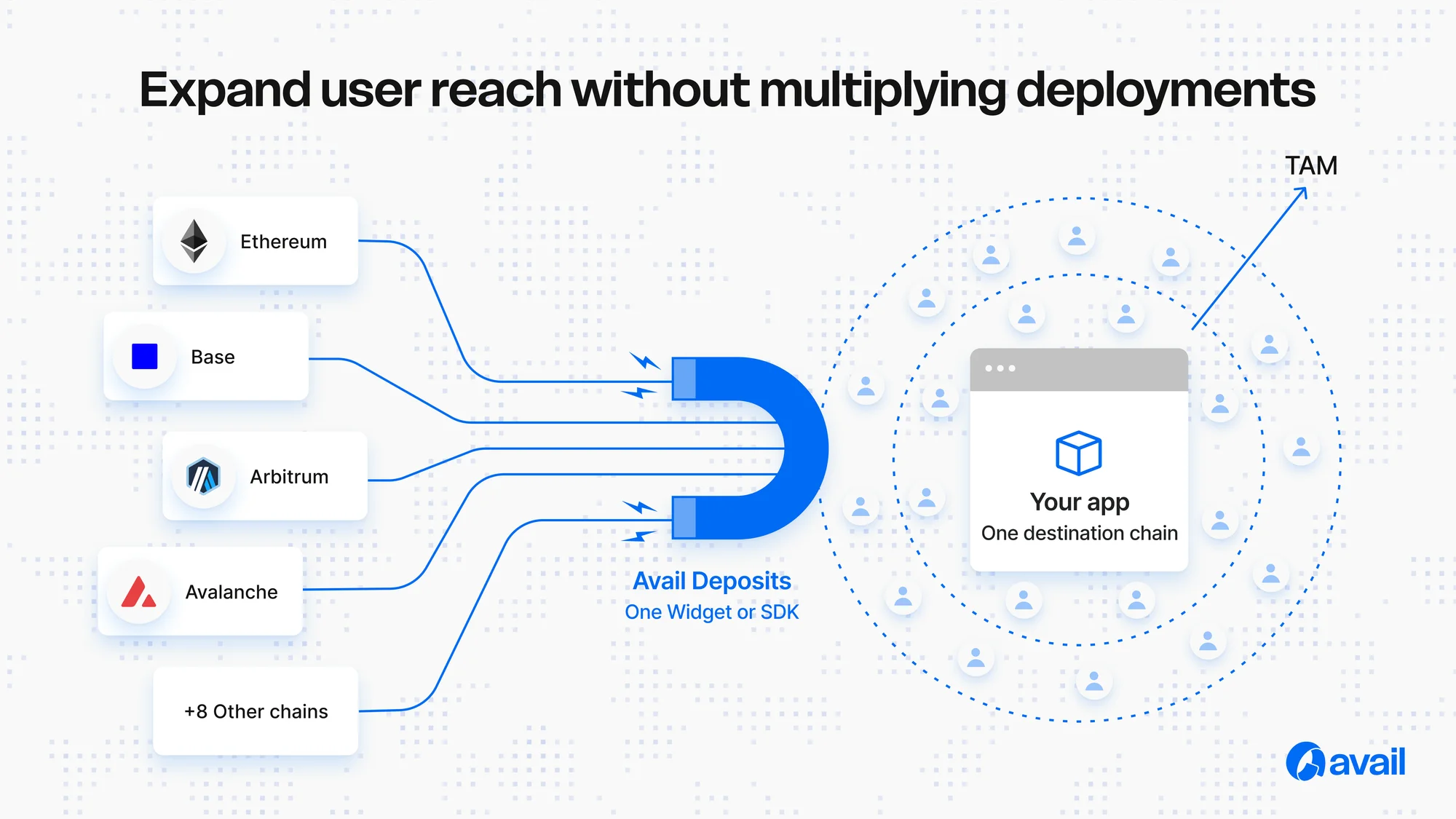
Avail Deposits offers a Widget for streamlined user experiences and an SDK for tailored interfaces. This integration is a notable development as it highlights suitable funding sources and manages necessary transitions into the assets required by the application. However, while it sounds convenient, whether it truly meets user expectations is another matter.
The promise of a single integration often leads to questions about how well it adapts to diverse user needs. Developers must consider not just the technical integration but also how their specific user base will engage with it. Friction points can still emerge—such as when users struggle to comprehend the implications of their asset choices or the details of the transition process. An intuitive design helps, but so does comprehensive user education.
Reduction of Redundant Development
By employing this strategy, teams sidestep the necessity of recreating their full products simply to attract users initiating transactions elsewhere. This means fewer resources spent on duplicative feature sets and more focus on enhancing the core application. Users consequently avoid the hassle of bridging assets, switching networks, and obtaining gas fees before they can start their activities. That’s a big relief for many, but it doesn’t completely eliminate obstacles.
While reduced development redundancy is beneficial on paper, the reality is that teams still need to ensure that their product remains flexible enough to adapt to the unique characteristics of each blockchain. Users today are savvy; they expect smooth interactions without hiccups or delays. If your application can’t deliver this, you'll likely lose them to competitors who can. Efficiency shouldn't compromise quality, and that's a balancing act developers must master.
Limitations of Cross-Chain Deposits
It's crucial to recognize that cross-chain deposit methods do not eliminate considerations related to liquidity depth, compliance, or chain-specific functionality. They primarily enhance access to a chosen destination and do not address all potential reasons for deploying across multiple chains. In fact, they may obscure some significant challenges that could arise in liquidity management and user experience.
As the development community pushes for more accessible cross-chain functionality, there's a tendency to overlook inherent complexities. Just because deposits become easier doesn’t mean that users won’t encounter issues related to finding liquidity or understanding compliance implications. Developers should remain vigilant and continue educating themselves and their users about these challenges. Otherwise, improvements in user access might lead to misunderstandings and, at worst, dissatisfied users.
Evaluating Expansion Needs
Consider whether the opportunity necessitates local execution on an additional chain or if improving access for users on an existing chain suffices. This evaluation can reveal untapped potential within the established framework rather than hastily branching out into new chains. If access is the main hurdle, utilizing a deposit integration represents a more efficient solution.
Moreover, this isn’t just an operational question. It’s also a strategic one. A clear understanding of user behavior can save time and resources. If you're working in this space, think twice before over-committing to platforms that may not yield significant ROI. Sometimes the most effective improvements are those that enhance what’s already there instead of stretching resources thin.
Implementing Avail Deposits
Future Outlook and Implications
The landscape for blockchain applications is evolving with increasing complexity. The methods discussed here show promise, but their success hinges on user adoption and operational integrity. As cross-chain interactions become more common, there's a pressing need for solutions that address usability while managing risks effectively.
What this means for you is that while integrating systems seems beneficial, attention must be paid to both the technology itself and the broader user experience. The right integration can provide significant advantages, but if developers remain too focused on the technical aspects, they risk alienating users who desire clear, understandable processes. Balancing technical advancements with user education will be key to long-term success.
The trajectory suggests that applications must remain agile, continually assessing their strategies for chain deployment without overextending themselves. The most savvy developers will recognize that, in many cases, sticking to a preferred chain and enriching that environment can yield better outcomes than a scattershot approach across multiple chains. It's a shift that could redefine how applications interact within the blockchain sphere.

Discussion
Sign in to join the discussion.