Explore key strategies for improving DeFi user onboarding by minimizing friction and streamlining processes for a better experience.
Common Friction Points
The DeFi ecosystem presents several friction points for users. Transferring funds to the wrong chain creates confusion, often leading to costly mistakes. Users new to decentralized finance might not fully understand the implications of their actions, and that's where the education gap lies. Using external bridges forces users to switch contexts, which can disrupt the transaction flow and increase the likelihood of errors. This issue compounds when switching networks, as users often face additional decision-making regarding wallet compatibility and network fees. Moreover, gas fees can hinder transactions even after funds are in motion, which can lead to long waiting times for low-priority transactions and discourage participation. These hurdles ultimately detract from users' primary objectives—efficiently managing and growing their assets.
Design from the Destination Backwards
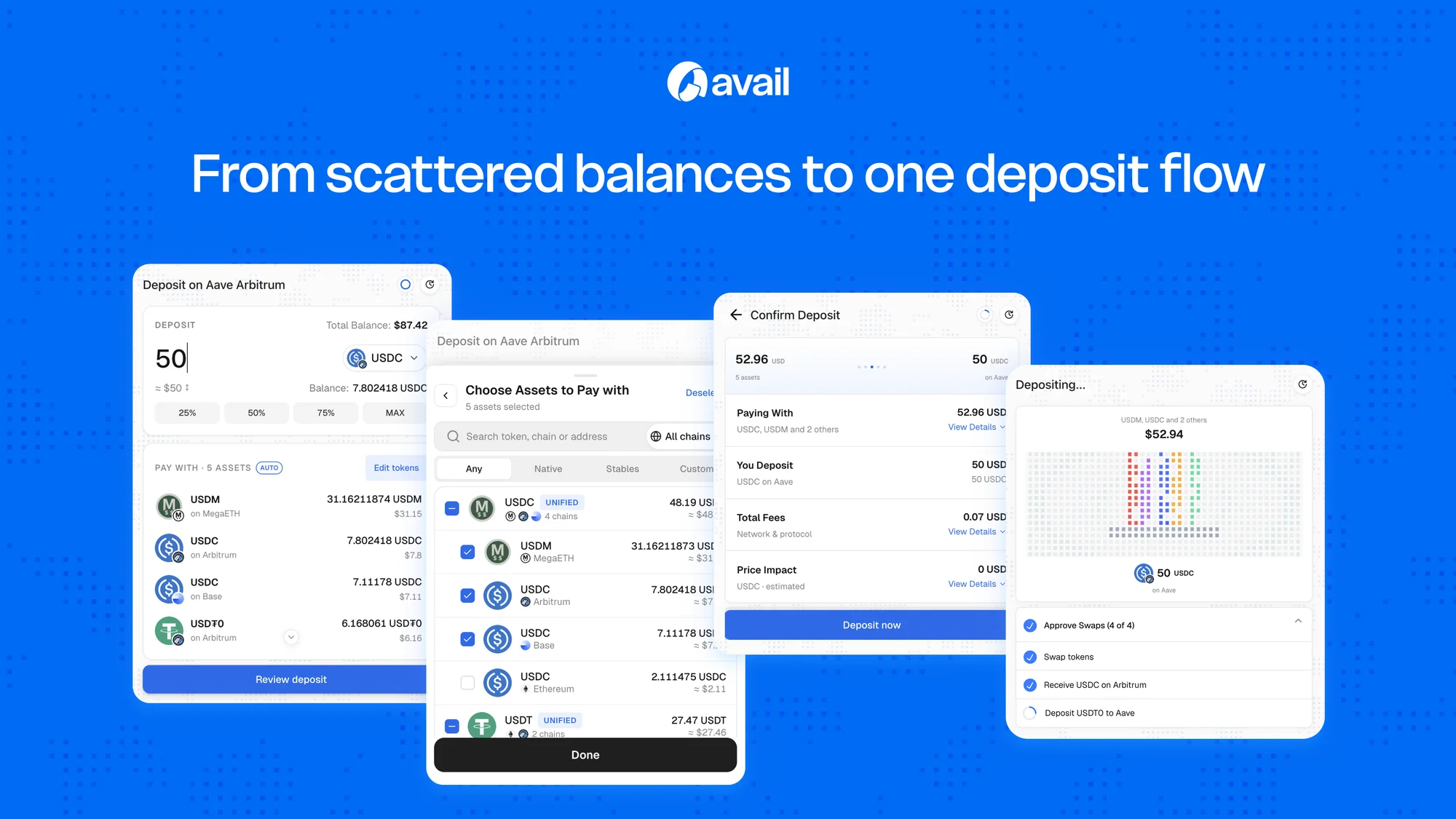
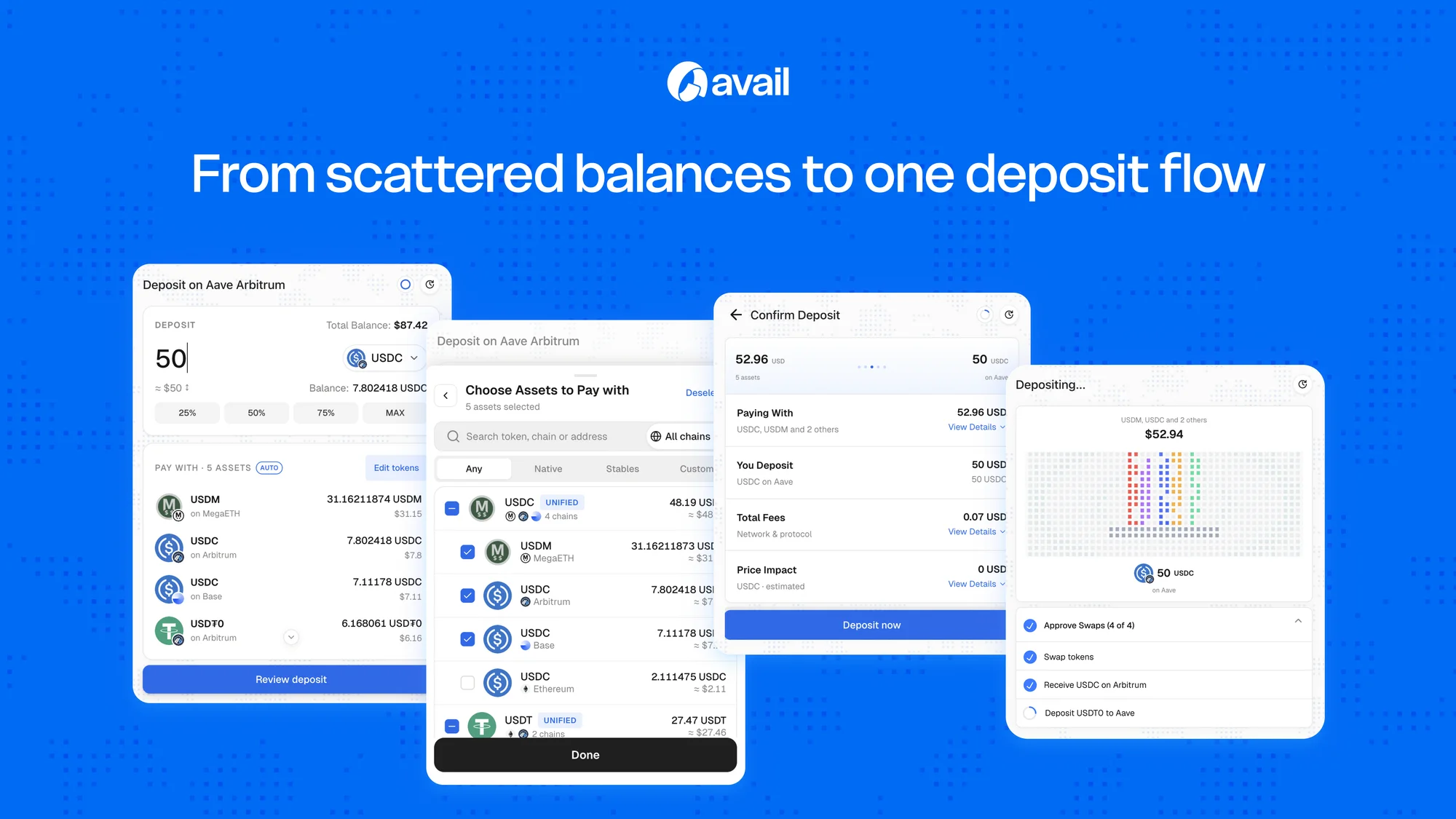
A user-centric approach to DeFi requires recognizing the primary goal of the user: receiving an asset in a specific amount. By starting from this destination point, developers can transform the often confusing and lengthy process of "choosing a bridge route" into a simpler and more intuitive "select how to fund this action." This approach reduces cognitive load, allowing users to focus on their intentions rather than the technicalities of execution. Not only does this streamline user interactions, but it also encourages more novices to enter the DeFi space, which can only benefit the ecosystem.
Keep the Deposit Inside the App
Integrating an embedded Deposit Widget directly into applications keeps the user anchored in their context throughout the transaction. This design choice allows users to manage their funding source without unnecessary distractions. By letting the application handle the destination, users are freed from the burdens of oversight—focusing instead on their choices and confirming them. Handling gas fees and necessary swaps within an integrated flow simplifies what would otherwise be an overwhelming experience, particularly for newcomers to DeFi. In practice, this could minimize transaction failures caused by misunderstanding or miscommunication, ultimately leading to higher satisfaction and trust in the platform.
Measure the Connected Journey
Monitoring the entire user journey is essential for identifying and rectifying pain points in the transaction process. From the moment a user opens deposits to the selection of sources, returning quotes, initiating confirmations, submitting transactions, and completing destination actions, each phase holds valuable insights. Poor experiences at any stage can lead to abandonment, and tracking where users drop off allows developers to make iterative improvements. This data-driven approach helps to uncover issues in eligibility, quoting, or transaction confirmation, enabling responders to pinpoint specific hurdles that require immediate attention. It's about refining the experience, making it not only smoother but also more intuitive.
Practical Takeaway
The goal isn’t to obscure technical complexities but to guide users toward decisions that significantly impact their outcomes. The data illustrates that when cross-chain infrastructures feel like additional hurdles, they inadvertently stifle user engagement. Instead, these systems should enhance product access, allowing users to focus on the finer points of their financial activities rather than navigating a labyrinth of technical jargon. A user-friendly design will inherently attract more participants, which benefits not just individual platforms but the entire DeFi community.
Integrate Avail Deposits
|
Read the Deposit integration docs • Open the Widget Configurator |
Implications for the Future
This is more significant than it looks. The friction points outlined represent barriers that could dampen user interest in DeFi. If developers can address these challenges, there's potential for broader adoption and a richer, more diverse user base. Improving user experience isn't just a nicety; it's essential for the longevity of these platforms. Expect to see increasing emphasis on user-centric design as competition in the space grows. What this means for you, whether you're a developer or a user, is a clearer path to participation that could reshape your interactions with digital finance.

Discussion
Sign in to join the discussion.